The Ultimate Guide to Rental Flares: How to Save Costs and Stay Compliant
March 27, 2026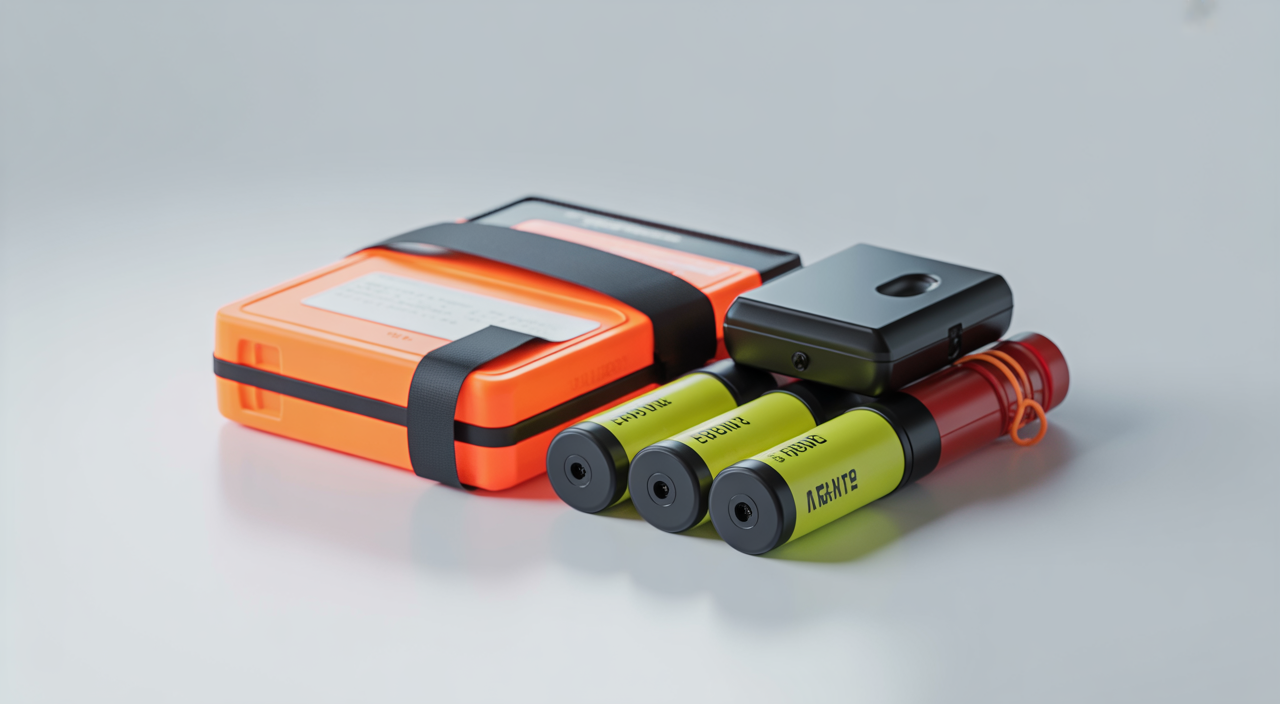
What is a rental flare and why does it matter for your project?
If you handle safety, operations, or projects in oil and gas, marine, or construction, you already know one thing. When you need a flare, you need it fast, compliant, and working perfectly from day one. A smart way to do this is to choose a rental flare instead of buying and maintaining your own system.
With a rental flare, you get certified equipment, expert setup, and predictable costs. You avoid long approvals for capital spending and free your team from storage and maintenance headaches. This guide walks you through types of flares, compliance basics, cost benefits, and how to pick the right provider.
The focus is simple. Help you meet safety targets, satisfy regulators, and protect your budget, without slowing down your project schedules.
What are rental flares?
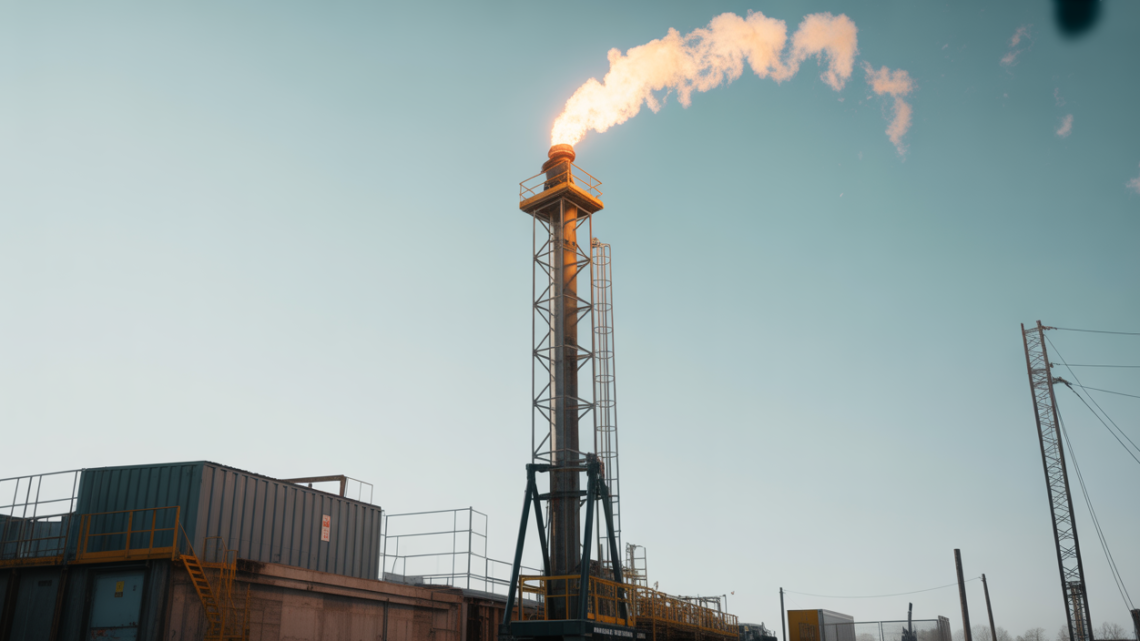
A rental flare is a temporary flare system or signaling device that you hire for a fixed period. It can be used for burning off process gases, marking hazards, or providing emergency signaling at sites and offshore locations.
Instead of owning the unit, you pay for access and service for the days or months you need it. This model works very well for shutdowns, turnarounds, short projects, trials, and seasonal work.
- Industrial flare stacks: Used to burn excess or waste gas safely.
- Emergency flare kits: For signaling during incidents or road and marine activity.
- LED signaling flares: Battery-powered, reusable, and low on environmental impact.
Key performance specs to check
Before you sign any contract, you should review a few basics. These numbers tell you whether the equipment will perform as promised.
- Flow rate and gas capacity for industrial stacks.
- Heat output, height, and visible range.
- Burn duration for chemical flares or battery life for LED units.
- Materials of construction, especially for corrosive or offshore environments.
Ask for datasheets with clear figures and test results. A strong rental partner will share these upfront and explain them in plain language.
Why rent instead of buy?
For many projects, renting is not just easier. It is also smarter from a financial and compliance point of view.
1. Upfront savings and flexible terms
Buying a flare stack or a large emergency signaling package can block capital for years. With a rental flare solution, you convert this big one-time spend into a clean, predictable operating expense.
Most providers offer daily, weekly, or monthly plans. You can match the term to your shutdown window, drilling campaign, or construction phase. If the scope expands, you extend the contract instead of buying extra units in a rush.
2. No maintenance, no storage, no hidden tasks
Owned flares need regular checks, spare parts, calibration, and safe storage. In many companies, this work falls on already busy maintenance teams. With a rental package, inspection, testing, and repairs are handled by the provider.
At the end of the job, the equipment is taken back. You do not need to find yard space, renew certificates, or worry about long-term deterioration.
3. Fast response for peak or emergency needs
Peak season, sudden outages, or emergency shutdowns do not wait for new equipment deliveries. Strong rental partners keep ready-to-deploy stock and can ship within short notice windows.
This rapid deployment is especially useful for emergency flare kits rental, where downtime directly affects worker safety and regulatory comfort.
How to choose the right rental flare service
Selecting a provider is about more than price per day. You are also choosing expertise, safety culture, and response time.
- Start with your use case: Industrial gas flaring, marine signaling, road safety, or hazardous waste handling.
- List your constraints: Site space, power supply, access roads, offshore logistics.
- Define your goals: Emissions reduction, short-term backup, trial of a new process, or pure emergency readiness.
Compliance and certifications to demand
Regulators across the world expect flares and signaling devices to follow strict design and use rules. While the exact clauses change by region, the core idea stays the same. Burn or signal safely, control emissions, and protect people.
When you speak to a provider, ask about:
- Design and testing standards followed for their industrial safety flares.
- Training offered to your staff for safe operation and shutdown.
- Regular inspection records and calibration practices.
A provider who is open about these points will help you face audits with confidence.
Simple checklist before you sign
- Define flow rate or signaling range required.
- Confirm mounting, access, and site layout needs.
- Check compliance certificates and test reports.
- Review rental terms, service response time, and penalties.
- Clarify who handles installation, training, and teardown.
Rental vs buy: thinking about ROI
For Indian investors and project owners, return on investment is a key decision factor. A quick way to compare is to map total cost over the full life of a project instead of only looking at daily rental rates.
Include in your “buy” scenario:
- Purchase price and import duties, if any.
- Annual maintenance, spare parts, and technician time.
- Storage costs between projects.
- Risk of equipment becoming outdated or non-compliant with new rules.
Then compare with rental costs that cover equipment, maintenance, and many times even operator training. In most short to medium projects, rental wins on cash flow and flexibility.
Using tools and guides to size your flare correctly
A common challenge is sizing the flare stack or emergency kit. Too small, and you risk poor performance. Too large, and you pay more than needed. Modern providers offer calculators and setup guides to help you choose the right unit for your gas volumes and project duration.
You can also learn from other infrastructure-heavy sectors. For example, understanding how specialists plan complex trenchless repair projects can give ideas on risk planning and equipment sizing for your own sites.
Pricing and common rental packages
While exact prices vary by size, duration, and location, most providers follow a transparent structure. There may be a base daily or monthly rate, plus transport and optional operator support.
Typical package options include:
- Short-term rentals: Daily or weekly terms, ideal for tests or emergency cover.
- Project-based packages: One price for the full shutdown or construction window.
- Long-term frameworks: Lower monthly rates for multi-year or recurring needs.
For decision-makers who like clear, structured services, it can be useful to study how other industries frame recurring services, such as a managed services model in technology. A similar approach works very well for flare rentals.
Trends shaping the future of rental flare solutions
The rental flare space is changing in positive ways. There is more focus on reduced emissions, better data, and ease of use.
- LED flare kit rental as a cleaner option for some signaling tasks.
- Improved flame monitoring and remote status reporting.
- Better integration with plant control systems for automatic activation.
Keeping an eye on these trends helps you lock in safer and more efficient systems early, which can support your long-term safety strategy.
FAQs about rental flares
Q1: How early should I book a rental flare for a shutdown or turnaround?
For planned work, it is wise to confirm your rental flare packages at least four to six weeks before the start date. This gives time for site checks, paperwork, and any custom adjustments. For emergency flare needs, most providers can respond much faster, but early planning always brings smoother deployment.
Q2: Are LED flare kits acceptable for regulatory compliance?
LED flare kits are widely used as emergency signaling devices on roads, construction sites, and some marine applications. Whether they are accepted depends on the specific rule set for your sector and location. Your provider should clearly explain where LED options are suitable and when you must use traditional flares or industrial stacks to stay fully compliant.
Q3: Can I use the same rental flare system across multiple sites?
Many companies rotate the same rental system through several projects during a contract period. This can work well as long as each site meets the setup and safety requirements. Coordinate schedules with your provider so they can inspect and reset the equipment between moves.
With the right partner and a clear plan, choosing a rental flare solution becomes a powerful way to control cost, boost safety, and keep every project audit-ready.

Nicholas Jones is an author, speaker and business visionary. His work has been distributed in high-profile outlets like Forbes, Huffington Post, Fast Company, Huffington Post UK and then some. With a solid comprehension of business methodology, administration advancement and hierarchical change.