Why Network Load Balancers Are Crucial For Handling High Traffic Spikes?
October 10, 2024In today’s digital-first world, where websites, applications, and services need to be accessible around the clock, handling large volumes of incoming traffic is a fundamental challenge. Whether it’s during peak shopping seasons, product launches, or viral social media moments, businesses must ensure their systems remain responsive and resilient. This is where a Network Load Balancer comes into play. A network load balancer is an essential tool for managing and distributing incoming traffic across multiple servers to ensure high availability, reliability, and performance even during high traffic spikes. This article explores why network load balancers are crucial for handling these spikes, including their core functionality, benefits, and the role they play in modern infrastructure.
Understanding Network Load Balancers
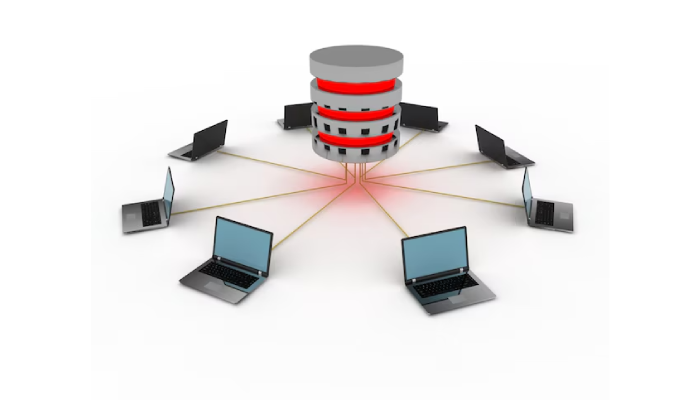
At its core, a Network Load Balancer is a device or software solution that helps distribute incoming network traffic across multiple servers or resources to ensure no single server becomes overwhelmed. NLBs are commonly used in environments with a large number of users or devices accessing services simultaneously. This is critical for businesses that rely on highly available web applications, cloud services, or any platform requiring continuous uptime.
While software and hardware-based load balancers differ in how they operate, both types ultimately ensure that incoming requests are directed to the least busy, most capable server. A Network Load Balancer operates at the transport layer (Layer 4) of the OSI model, meaning it can handle traffic based on IP protocol, such as TCP or UDP. This allows for highly efficient and low-latency traffic distribution.
The Impact Of High Traffic Spikes On System Performance
Handling sudden spikes in web traffic is a challenging task. When a large number of users access a website simultaneously — during product launches, promotions, or events — it can overwhelm the system if it is not designed to scale accordingly. High traffic spikes can lead to:
- Website Downtime: If servers are not able to handle the incoming requests, the website may go down, resulting in lost sales, frustrated customers, and damage to brand reputation.
- Slow Load Times: Even if the website remains operational, slow load times can create a poor user experience. A delay of even a few seconds can cause customers to abandon the site and seek alternatives.
- Server Overload: Without load balancing, a single server may become overloaded with traffic, leading to system crashes, slowdowns, or failure to serve users at all.
- Increased Resource Usage: Without proper distribution, a spike in traffic can strain resources such as bandwidth, memory, and processing power, increasing operational costs.
A Network Load Balancer is designed to solve these challenges by efficiently distributing incoming traffic to multiple servers, ensuring that no single resource is overwhelmed, thus maintaining optimal performance during traffic spikes.
The Role Of Network Load Balancers In Handling Traffic Spikes
- Scalability
One of the key reasons a Network Load Balancer is crucial for handling high traffic spikes is its ability to scale automatically. A load balancer can direct traffic to additional servers as needed to accommodate sudden increases in traffic. For instance, when a website experiences a spike in visitors, the load balancer can route the traffic to additional instances of the application or server, balancing the load more efficiently.
- High Availability
High availability is a critical requirement for modern businesses, especially those operating in industries where downtime can result in significant revenue loss. A Network Load Balancer ensures high availability by distributing traffic across multiple servers or even data centers. If one server goes down due to an issue or maintenance, the load balancer can automatically reroute traffic to healthy servers, ensuring there is no disruption in service.
- Improved Performance And Reduced Latency
A Network Load Balancer can also improve overall performance and reduce latency by directing traffic to the most responsive and least congested servers. Since the NLB operates at Layer 4, it handles traffic quickly and efficiently, without the overhead of more complex Layer 7 application-based load balancing techniques. By distributing requests evenly and strategically, an NLB ensures that users experience fast load times and uninterrupted access to services.
- Traffic Distribution Based On Specific Rules
Advanced Network Load Balancers can be configured to distribute traffic based on a variety of rules and criteria. For example, they can route traffic based on IP address, geo-location, or request type. This allows businesses to prioritize certain types of traffic, such as mobile users, premium customers, or specific applications that require more bandwidth. By applying these rules, businesses can ensure that traffic is directed in a way that optimizes user experience and server resources, especially during high traffic periods.
Benefits Of Using A Network Load Balancer During Traffic Spikes
- Optimized User Experience
When a Network Load Balancer distributes traffic effectively, users are more likely to have a smooth and fast experience, even during periods of high demand. The load balancer ensures that resources are used efficiently, leading to reduced latency and faster page load times, which are critical for user retention and satisfaction.
- Cost Efficiency
Rather than relying on over-provisioning servers to handle occasional traffic spikes, a Network Load Balancer allows businesses to scale resources on-demand, providing better resource utilization and cost savings. By only spinning up additional resources when necessary, companies can avoid the costs associated with maintaining excess capacity.
- Improved Server Health
Load balancers monitor the health of servers in real time, ensuring that only healthy resources are used for traffic distribution. This continuous monitoring helps prevent performance degradation or service interruptions due to server malfunctions or resource exhaustion.
- Reduced Risk Of Overload
With automated load balancing, the risk of server overload during high traffic spikes is significantly minimized. The NLB ensures that no server is overwhelmed, which reduces the likelihood of crashes and ensures consistent service delivery.
Conclusion
As online traffic continues to grow, businesses must be proactive in ensuring their infrastructure can handle high traffic spikes without compromising performance, reliability, or security. A Network Load Balancer plays a vital role in this effort by distributing traffic efficiently, ensuring high availability, and improving the overall user experience. With its ability to scale, reduce latency, and provide security benefits, an NLB is a crucial tool for any business looking to stay resilient and responsive in the face of fluctuating demand. Whether you’re managing an e-commerce platform, a global application, or any high-traffic service, a Network Load Balancer is key to maintaining performance and delivering a seamless experience, even during the most demanding periods.

Dean Krause is a versatile writer based in the vibrant city of Seattle, United States. With a passion for business and technology, Dean crafts compelling content that engages and informs readers. With a keen understanding of diverse subjects, Dean’s writing resonates with audiences seeking insightful perspectives on the latest trends and innovations in the ever-evolving landscape of modern industries.