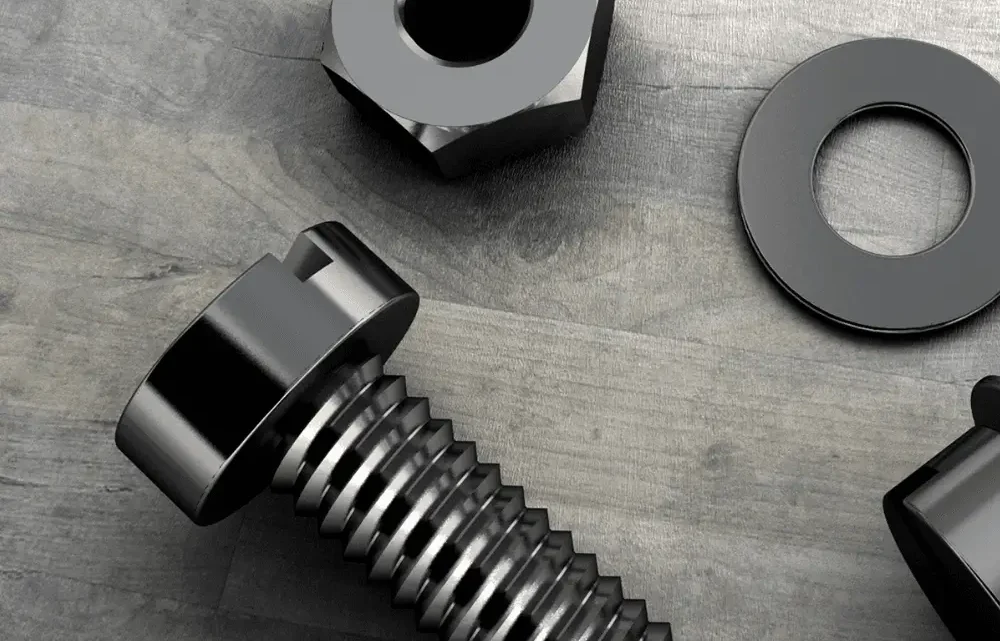
Inside the Operations of a Modern Screw Manufacturing Company in India
November 14, 2025Screws are essential components in almost every industry, from construction and furniture to automotive and electronics. The demand for strong and reliable screws has made India an important hub for fastener production. Understanding how a screw manufacturing company in India works helps you see what goes into creating these tiny yet crucial components. This guide explores the complete process, materials, standards, challenges, and trends shaping the sector today.
Understanding a Screw Manufacturing Company in India
A screw manufacturing company in India plays a major role in producing screws for various industries. These companies focus on strength, durability, and precision. Their operations involve raw material selection, shaping, threading, heat treatment, and finishing. With growing demand across construction, hardware, electrical work, and machinery, manufacturers continue to innovate to meet industry needs.
Most companies follow strict quality systems to ensure that every screw meets the required performance level. Whether it is a small wood screw or a heavy-duty metal fastener, the goal is always the same—to provide a reliable product that withstands pressure, torque, and long-term use.
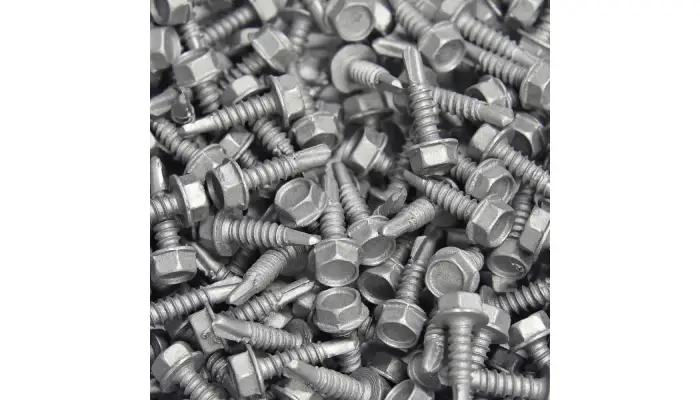
The Complete Manufacturing Process Behind High-Quality Screws
Screw production may look simple from the outside, but the manufacturing steps require precision and skill. A typical process includes selection of metal, cutting, forming, threading, heat treatment, and coating.
Raw Material Selection and Preparation
Manufacturers usually begin with steel wires or metal rods. These materials are chosen for their strength and ability to handle pressure. The metals are cleaned and straightened before entering the next stage. Proper preparation is essential because any flaw in the metal affects the final product.
Heading and Shank Formation
This stage shapes the screw’s head, whether round, flat, hex, or pan-style. Machines press the metal to form the head, while the shank (long body) is shaped to the required size. This step requires consistency to ensure each piece matches the exact specifications.
Thread Rolling Techniques
Thread rolling is one of the most important stages. Instead of cutting threads, most manufacturers use rollers that press threads into the shank. This method strengthens the screw because no metal is removed. The result is a durable screw with accurate threading.
Heat Treatment and Hardening
Heat treatment strengthens the metal by altering its internal structure. This step makes screws more capable of resisting pressure, tension, and temperature changes. Manufacturers use controlled furnaces to achieve the right hardness.
Surface Coating and Finishing
Coating protects screws from corrosion and enhances their appearance. Common finishes include plating, polishing, or chemical coatings. The type of finish depends on where the screw will be used—indoors, outdoors, or in heavy-duty applications.
Why Materials Matter When Producing Reliable Screws?
A screw manufacturing company in India pays careful attention to materials. The right metal ensures performance, durability, and safety. Manufacturers select metals based on strength requirements, environmental exposure, and cost considerations.
Common Metals Used in Screw Manufacturing
Most screws are made from different grades of steel, as steel offers a good combination of strength and affordability. Stainless steel is used when corrosion resistance is important. Other materials include brass, copper, and aluminum, depending on the application.
Choosing the Right Material for the Job
The material depends on the job the screw must perform. For example:
- Outdoor applications need corrosion-resistant metals.
- Machinery and engines need high-strength screws that can handle pressure.
Selecting the correct metal ensures safety and long life.
How Quality Standards Shape Screw Manufacturing in India?
Quality standards help manufacturers maintain consistency and reliability. A screw that fails can cause significant issues, so companies follow strict checks at every stage of production.
Inspection at Every Stage
Quality checks include measuring the screw’s dimensions, testing thread accuracy, and checking hardness levels. These inspections ensure that each screw performs as expected.
Industry Certifications and Guidelines
Manufacturers often follow national and international guidelines. These standards help ensure safety, durability, and proper performance in various environments. They also guide manufacturers in selecting materials, processes, and testing methods.
Applications of Screws Across Different Industries
Screws are used in countless applications, making them one of the most universal fasteners. A screw manufacturing company in India supplies screws for home use, industrial needs, and large-scale engineering.
Residential and DIY Applications
Screws for furniture, home repairs, electrical fittings, and general use fall into this category. These screws need to be user-friendly and reliable.
Industrial, Automotive, and Construction Use
Industries require screws that can handle vibrations, heavy loads, and harsh environments. These screws are produced with stricter standards and stronger materials.
Common sectors include:
- Construction and infrastructure
- Automotive and engine assembly
Each industry requires screws designed for specific challenges.
What Trends Are Shaping the Future of Screw Manufacturing in India?
The fastener industry is evolving rapidly due to new technologies and increasing market demand. Manufacturers are adapting to remain efficient and competitive.
Automation and Advanced Machinery
Modern machines improve precision, reduce errors, and increase production speed. Automation also helps maintain consistent quality.
Focus on Sustainability
Manufacturers are shifting toward eco-friendly processes, recycling metal waste, and reducing energy use. Sustainable production is becoming a key part of the industry.
Growing Export Demand
Because Indian manufacturers offer competitive pricing and strong quality, demand from global markets is rising. This trend motivates manufacturers to improve capabilities and introduce better technology.
How to Identify a Reliable Screw Manufacturer?
Choosing the right manufacturer ensures you get strong and dependable screws. While many companies operate in the market, only some follow the best practices.
Signs of a Good Manufacturer
Look for the following indicators:
- Proper quality checks and testing methods
- Use of strong and verified materials
Evaluating Production Capabilities
A reliable manufacturer invests in modern machines, skilled labor, and quality control systems. Their ability to produce screws for different applications shows their expertise.
Challenges Faced by Screw Manufacturers in India
Manufacturing screws at scale requires advanced equipment and consistent monitoring. Companies often face challenges that affect production and quality.
Raw Material Price Fluctuations
Prices of metals and alloys change frequently. This affects production cost and material availability.
Need for Skilled Labor
Operating advanced machinery requires trained workers. Skill shortages can affect production quality.
Maintaining Consistent Quality
Even small variations can cause defects. Manufacturers work hard to maintain uniformity across batches.
How do Screw Designs Vary for Different Uses?
Different applications require different screw designs. A screw manufacturing company in India creates many types of screws to meet industry needs.
Head Styles and Drive Types
Common head styles include flat, round, and hex. Drive types include Phillips, slotted, and star-shaped. The right head type improves grip and torque.
Thread Variations
Thread patterns vary depending on whether the screw will be used in metal, wood, or plastic. Fine threads are used for precision work, while coarse threads are used for strong grip.
The Importance of Durability and Corrosion Resistance
Durability is a key requirement in screw production. Screws must withstand years of use, harsh environments, and mechanical stress.
Protective Coatings for Longer Life
Coatings such as zinc and chemical finishes help prevent rust and improve appearance. The type of coating depends on environmental exposure.
Testing for Strength and Stability
Manufacturers test screws for pull-out strength, shear strength, and hardness. These tests ensure that screws can withstand real-world conditions.
Conclusion
A screw manufacturing company in India plays an essential role in supplying strong, reliable, and durable fasteners for a wide range of industries. From raw material selection to precision forming, threading, heat treatment, and finishing, each step requires care and accuracy. The industry continues to evolve with automation, eco-friendly production, and rising global demand. By understanding how these companies operate, you gain insight into the effort required to produce one of the most widely used fasteners in the world.

Nicholas Jones is an author, speaker and business visionary. His work has been distributed in high-profile outlets like Forbes, Huffington Post, Fast Company, Huffington Post UK and then some. With a solid comprehension of business methodology, administration advancement and hierarchical change.