How Resorts Are Adapting To Eco-Friendly Tourism?
February 1, 2025As the world becomes more aware of the environmental challenges we face, tourism is also undergoing a transformation. Eco-friendly tourism, or sustainable tourism, is no longer just a trend but a necessity. Resorts, especially in places like the Maldives, are at the forefront of this change, adopting practices that not only benefit the environment but also offer guests a more meaningful and responsible travel experience. In this article, we explore how resorts in the Maldives are embracing eco-friendly tourism and the benefits of this approach for both visitors and the planet.
The Maldives: A Paradise In Peril
The Maldives, a tropical paradise known for its white-sand beaches, clear turquoise waters, and vibrant coral reefs, has become a popular tourist destination. However, its very allure makes it vulnerable to the effects of climate change and environmental degradation. Rising sea levels, coral bleaching, and pollution threaten the delicate ecosystem that attracts millions of tourists each year.
In response, resort in Maldives are leading the way in adopting eco-friendly practices to protect their natural surroundings while still providing a luxurious experience for guests. By focusing on sustainability, these resorts aim to preserve the environment for future generations while continuing to offer the high-end experience that travelers expect.

Eco-Friendly Resort Design And Architecture
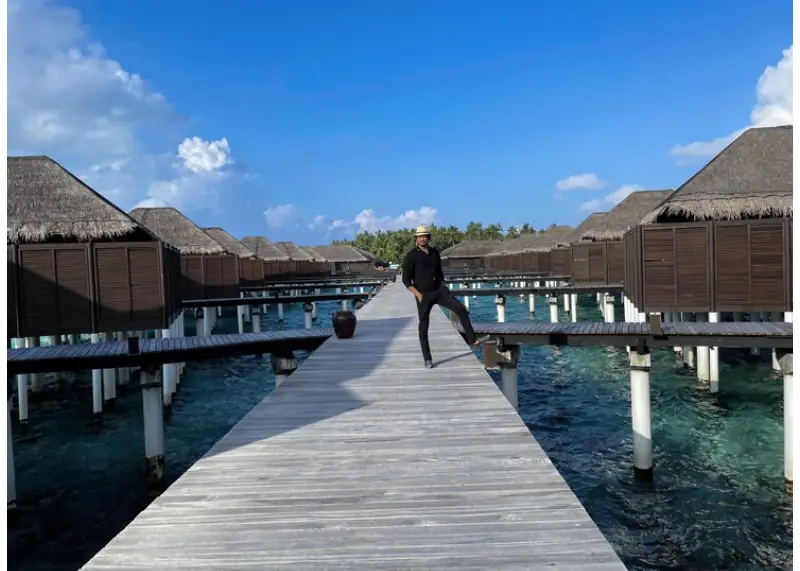
One of the key ways resorts in the Maldives are embracing eco-friendly tourism is through sustainable design and architecture. Many resorts are now prioritizing building structures that blend seamlessly with the environment, using materials that are both durable and sustainable. This means opting for locally sourced materials such as bamboo, recycled wood, and thatched roofs instead of materials that are harmful to the environment.
For example, some resorts have adopted a minimalistic approach in their design to reduce the overall carbon footprint. They focus on using natural lighting, ventilated spaces, and energy-efficient cooling systems to reduce the need for artificial energy consumption. The emphasis is on reducing the resort’s environmental impact while still providing comfort and luxury.
Renewable Energy And Efficient Water Management
Given the Maldives’ reliance on imported fossil fuels, resorts are increasingly turning to renewable energy sources, such as solar and wind power, to meet their energy needs. Many resorts have installed solar panels on rooftops or around their properties to generate electricity, significantly reducing their dependence on non-renewable energy. Some even use wind turbines to harness the region’s strong coastal winds.
In addition to energy conservation, water management is a crucial issue for resorts in the Maldives. With limited freshwater resources, resorts have adopted water-saving measures such as desalination plants that convert seawater into freshwater for guest use. Rainwater harvesting systems are also in place, allowing resorts to collect and store rainwater for non-potable uses, such as irrigation or cleaning.
Coral Reef Conservation Programs
The Maldives’ coral reefs are among the most biodiverse ecosystems in the world, but they are highly sensitive to changes in water temperature, pollution, and human activity. To protect these invaluable resources, resorts in the Maldives are actively involved in coral reef conservation programs. Many have partnered with marine research organizations to monitor reef health and contribute to restoration efforts.
Some resorts offer guests the opportunity to participate in coral planting activities, where they can help transplant young corals onto degraded reefs. This hands-on experience not only raises awareness about coral reef protection but also directly contributes to the restoration of these vital ecosystems. By involving visitors in conservation efforts, resorts are fostering a deeper understanding of the environmental issues that affect the Maldives.
Waste Reduction And Recycling Initiatives
Waste management is a significant challenge in island destinations like the Maldives, where resources are limited and waste disposal options are scarce. Resorts in the Maldives are tackling this issue by implementing waste reduction and recycling initiatives that minimize the amount of waste sent to landfills and reduce the resort’s overall environmental footprint.
Many resorts have introduced waste segregation systems to encourage recycling among guests and staff. They also reduce single-use plastics by offering alternatives like glass bottles, reusable straws, and compostable packaging. Food waste is another area where resorts are making strides; some have partnered with local communities to donate excess food, while others compost organic waste to use as fertilizer for their gardens.
Sustainable Food And Beverage Practices
The Maldives is a nation heavily reliant on imports, which makes it challenging to source sustainable, local food. However, many resorts are striving to support local farmers and fishermen by sourcing fresh, locally produced ingredients for their restaurants. This reduces the carbon footprint associated with food transportation while supporting local communities.
In addition to sourcing locally, resorts are also implementing sustainable food practices. Many have introduced farm-to-table dining concepts, where guests can enjoy dishes made from organic produce grown on-site or sourced from nearby islands. Resorts are also mindful of the impact of overfishing on marine ecosystems, and many have committed to serving only sustainably sourced seafood.
To further reduce waste, some resorts have adopted policies that limit food waste by offering smaller portion sizes or allowing guests to order à la carte rather than from large buffet spreads. These efforts not only support sustainability but also ensure that guests enjoy fresh and flavorful meals.
Promoting Eco-Tourism And Guest Education
Resorts in the Maldives are not just focused on improving their own sustainability practices but are also dedicated to educating their guests about eco-friendly tourism. Many resorts offer eco-tours that allow guests to explore the natural beauty of the islands while learning about local conservation efforts. Guided snorkeling or diving trips to coral reefs provide an opportunity for guests to witness firsthand the importance of preserving marine ecosystems.
Additionally, many resorts offer workshops and informational sessions on sustainable living, such as how to reduce plastic waste, conserve water, or support local communities through responsible travel. By raising awareness and engaging guests in sustainability efforts, these resorts are fostering a sense of environmental responsibility among travelers.
Eco-Friendly Certifications And Partnerships
To further demonstrate their commitment to sustainability, many resorts in the Maldives have sought eco-friendly certifications from global organizations. The Green Key certification and EarthCheck are two of the most recognized eco-certifications for resorts worldwide. These certifications require resorts to meet strict environmental standards in areas such as waste management, energy efficiency, and water conservation.
In addition to certifications, resorts often collaborate with NGOs and other environmental organizations to further their sustainability efforts. These partnerships allow resorts to tap into the latest research and best practices in eco-tourism, ensuring that they are continuously improving their environmental impact.
The Future Of Eco-Friendly Resorts In The Maldives
As global awareness of environmental issues grows, the demand for eco-friendly tourism is expected to continue increasing. Resorts in the Maldives are well-positioned to lead the way in sustainable tourism practices, given their unique location and natural beauty. By continuing to innovate and prioritize sustainability, resorts in the Maldives are ensuring that future generations can continue to experience this paradise while helping to protect the environment.
Conclusion
Resort in Maldives are embracing eco-friendly tourism practices as an essential step toward ensuring the long-term viability of their island paradise. From sustainable architecture and renewable energy use to coral reef conservation and waste reduction initiatives, these resorts are proving that luxury and sustainability can go hand in hand. As travelers increasingly seek responsible travel options, the Maldives’ eco-friendly resorts are setting a benchmark for other destinations around the world to follow. By choosing to stay at a resort in the Maldives that prioritizes sustainability, travelers not only contribute to the preservation of this beautiful destination but also become part of a global movement toward more conscious and responsible tourism.

Dean Krause is a versatile writer based in the vibrant city of Seattle, United States. With a passion for business and technology, Dean crafts compelling content that engages and informs readers. With a keen understanding of diverse subjects, Dean’s writing resonates with audiences seeking insightful perspectives on the latest trends and innovations in the ever-evolving landscape of modern industries.