
Comprehensive Guide to Child Telehealth Therapy in the Bronx | Ages 9–21
March 4, 2026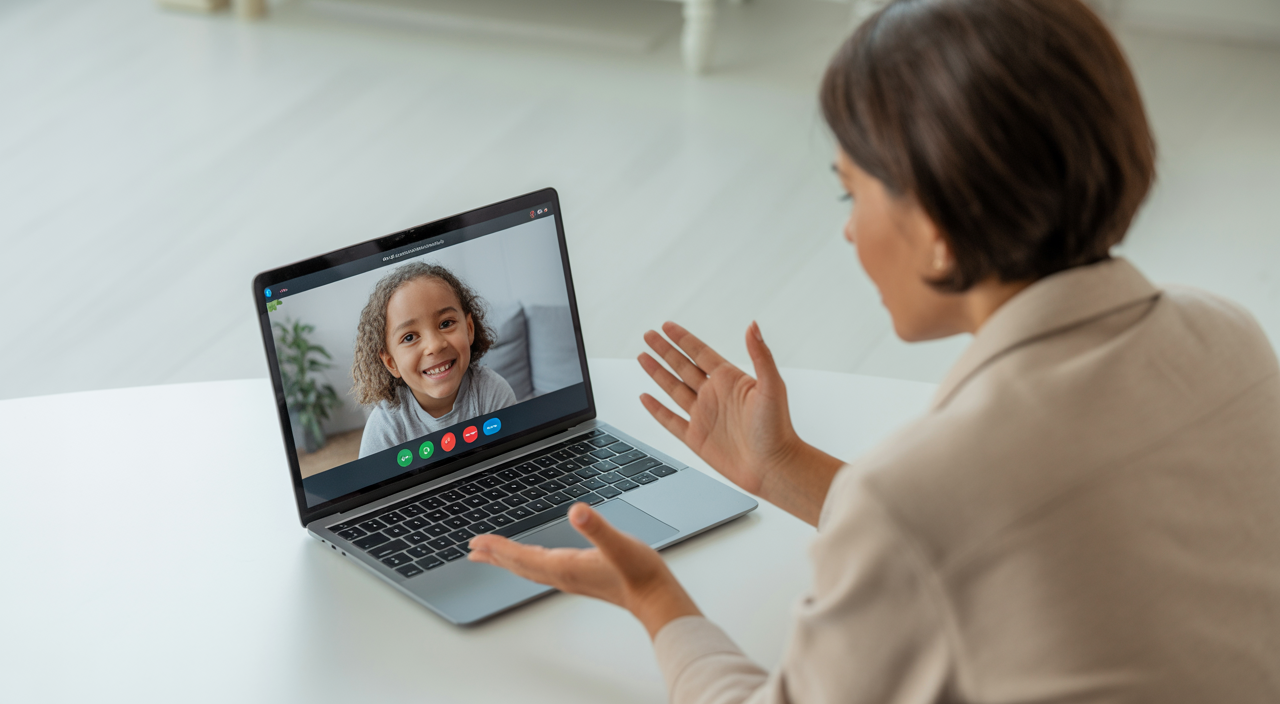
What is child telehealth therapy in the Bronx and is it right for your family?
More Bronx parents are turning to online therapy for their children and teens. With busy schedules, long travel times, and packed clinic waitlists, virtual sessions can feel like a relief. If you are exploring child telehealth therapy bronx, this guide walks you through how it works, what to expect, and how to get started with confidence.
Telehealth therapy means your child meets a licensed mental health professional through secure video calls. These sessions can support ages 9 to 21 with concerns like anxiety, low mood, school stress, family conflict, or attention and behavior issues. Done well, it can be just as effective as in-person care, with the bonus of comfort and privacy at home.
Parents in the Bronx often ask about safety, results, and cost. You will find clear answers below, plus practical tips on preparing for the first session, handling technology, and using insurance or sliding scale options wisely.
Why choose telehealth therapy for children and teens in the Bronx?
For many Bronx families, getting to a clinic can mean long bus or train rides and taking time off work or school. With telehealth, your child can log in from home, a quiet room at a relative’s place, or even a safe space at school if allowed. This flexibility makes it easier to attend therapy regularly.
Online therapy also opens access to more specialists. Instead of being limited to one small area, you can reach licensed child psychologists, counselors, and social workers across the city who understand Bronx culture and community life.
Research shows that telehealth works well for many young people. It can help with mood, behavior, and coping skills, especially when sessions are consistent and parents stay involved in the process.
What to expect in your first telehealth session
The first session is usually an “intake” visit. The therapist gathers background information and listens to your child’s story. For ages 9 to 21, therapists often speak with both the parent and the young person, sometimes together and sometimes in short separate parts, depending on age and comfort.
Before that first call, you will likely fill out basic forms online. These may cover contact details, medical history, school concerns, and insurance information. Having school reports or previous evaluations nearby can be helpful but is not required.
The goal of this first visit is simple: understand what your child is going through, set clear goals, and answer your questions about how sessions will work going forward.
Tech setup and privacy: keeping your child safe online
Most child telehealth therapy in the Bronx happens through secure, health-approved video platforms. These are designed to protect privacy and follow strict health data rules. Sessions are not recorded, and only you, your child, and the therapist are present.
For a smooth session, you usually need:
- A smartphone, tablet, or laptop with a camera and microphone
- Stable internet or mobile data
- Headphones, if possible, to improve privacy and sound
- A quiet, well-lit space where your child can speak freely
If internet access is a concern, speak with the clinic. Some providers offer flexible options, including phone sessions when video is difficult, or guidance on using community resources like school or library Wi-Fi.
Age-specific support: 9–12, 13–17, and 18–21
Good child telehealth therapy programs adapt their style to each age group. For pre-teens (9–12), therapists often use simple language, visual aids, and short activities. They may teach emotional vocabulary, calm breathing, and ways to handle school or sibling problems.
For teens (13–17), sessions often focus on peer pressure, friendships, social media stress, and identity. Therapists help them talk about feelings safely, build coping skills, and improve communication with parents, all while respecting appropriate privacy.
Young adults (18–21) may face new challenges like college entrance, first jobs, or living away from home. Telehealth can support them as they deal with independence, relationships, and future plans, without losing the support of their Bronx community.
How often are sessions and how long do they last?
Most online therapy sessions last around 45 to 60 minutes. In many child and adolescent programs, weekly sessions are common at the start. Over time, if your child is doing well, sessions may move to every two weeks or monthly check-ins.
The exact plan depends on your child’s needs, diagnosis (if any), and goals. Some issues, like short-term stress around exams, may need only a few months of support. Others, like long-term anxiety or attention difficulties, may benefit from a longer relationship with the same therapist.
Insurance, pricing, and sliding scale options
Bronx families often want clear information about cost. Many telehealth providers accept public and private insurance plans. Before your first session, the clinic’s intake or billing team can check your coverage and explain any co-pay or deductible in simple terms.
If you do not have insurance, ask about sliding scale fees based on income. Some programs also offer flexible payment plans. Reading about how other services handle payment, such as this guide on planning costs before choosing a service package, can help you think through your budget calmly.
Do not hesitate to ask for all costs in writing. A transparent provider will welcome your questions and help you avoid surprises.
How to prepare your child for telehealth sessions
You can make the first session easier by talking with your child in advance. Explain that therapy is a safe, private space where a trained adult listens and helps. Make it clear that the therapist is not there to judge or punish.
On the practical side, do a short “tech check” before the session. Test the camera and sound, plug in your device, and close other apps that might cause distractions. Keep water or a light snack nearby for your child, especially after a long school day.
For younger children, you can stay nearby, for example in the next room, to provide a sense of safety. For older teens and young adults, give them more privacy but stay available if the therapist wants to include you for a part of the session.
Choosing the right Bronx telehealth provider
When comparing child telehealth therapy in the Bronx, look for a few key signs of quality:
- Licensed clinicians experienced with children and adolescents
- Clear information on privacy and data protection
- Experience with common issues like anxiety, attention problems, and school stress
- Flexible hours that fit your family schedule, including evenings or weekends
Reading educational content from trusted health-focused sites, such as articles on how digital tools can empower patients and families, can also help you feel more comfortable with online healthcare in general.
Most importantly, notice how the provider team communicates with you from the first phone call or email. Warm, respectful, and clear communication is a good sign that your child will feel safe as well.
FAQs about child telehealth therapy in the Bronx
Q1. Is telehealth therapy really effective for children and teens?
Yes. Many studies show that online therapy can work as well as in-person care for common concerns such as anxiety, mood issues, and behavior challenges. The key is a strong relationship with a licensed therapist, regular sessions, and support from parents or caregivers at home.
Q2. What if my child is shy or does not want to talk on video?
Shyness is very common at the beginning. Skilled therapists move slowly, build trust, and use creative tools such as drawing, games, or simple exercises to help children open up. You can support by encouraging your child, staying calm, and reminding them that they can share at their own pace.
Q3. How soon can my child start telehealth therapy in the Bronx?
Start times vary by provider. Some clinics can offer an intake within a few days, especially for telehealth, which often has shorter waitlists. When you contact a program, ask directly about current wait times, emergency options, and whether they can put you on a priority list if your child’s needs are urgent.

Nicholas Jones is an author, speaker and business visionary. His work has been distributed in high-profile outlets like Forbes, Huffington Post, Fast Company, Huffington Post UK and then some. With a solid comprehension of business methodology, administration advancement and hierarchical change.