Why MD PET Is Your Go‑To Closure Bottle Caps Manufacturer in Delhi, India
February 25, 2026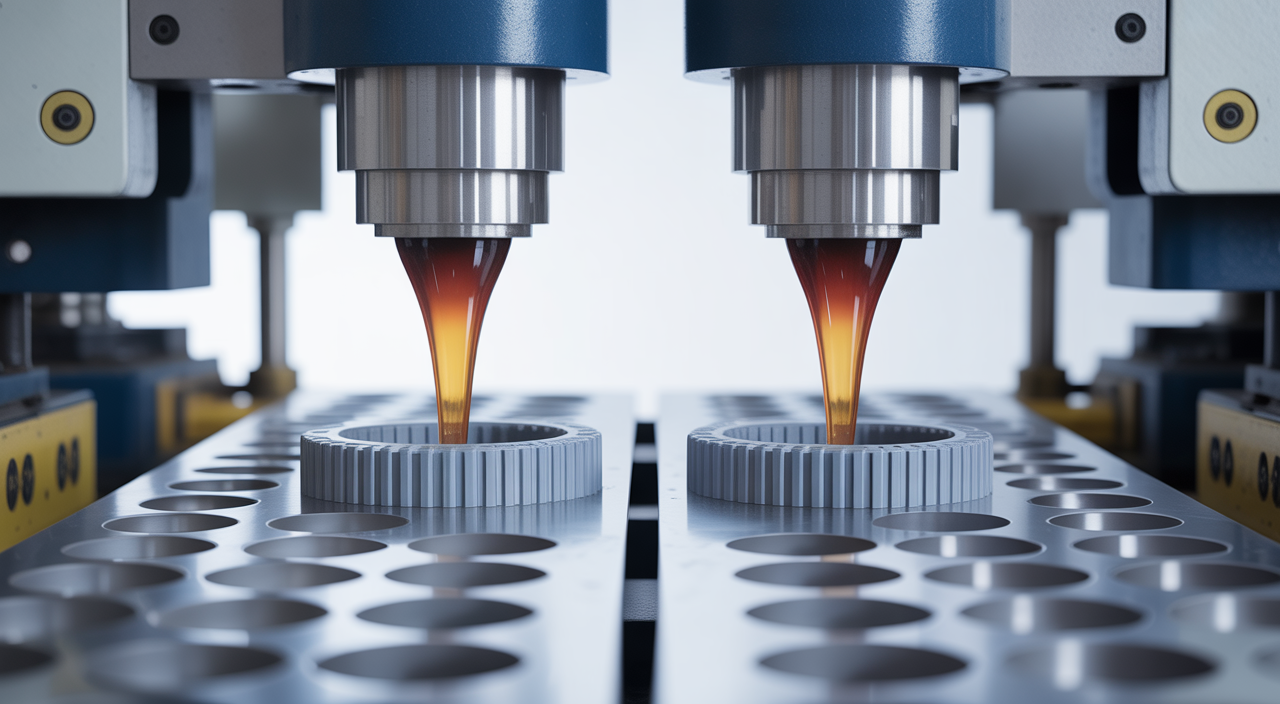
Looking for a Reliable Closure Bottle Caps Manufacturer in Delhi, India?
If you are a packaging or procurement manager, you already know how critical a small cap can be. A single faulty closure can delay dispatch, affect shelf life, and hurt your brand. That is why choosing the right closure bottle caps manufacturer delhi india is a strategic decision, not just a purchase.
Delhi has grown into a strong packaging hub with excellent road, rail, and air connectivity. For Indian investors and plant heads, this means faster supplies, easier audits, and better control over quality. MD PET taps into all these local advantages and combines them with modern technology and strong quality systems.
In this guide, you will learn what to look for in a closure supplier, how the manufacturing process works, and why MD PET stands out for FMCG, pharma, cosmetic, and chemical applications.
What Do Bottle Closures Actually Do?
Bottle caps and closures are not just “lids.” They protect your product, keep it fresh, and build trust with your customer. A good closure gives a tight seal, prevents leakage, and keeps air and moisture under control.
Closures also provide tamper evidence so the end user knows the bottle has not been opened before purchase. Many brands use caps as a branding tool with colors, embossing, and logos. For sectors such as food, beverages, and medicine, the closure is part of your safety and compliance story.
Types of Closures a Modern Plant Should Offer
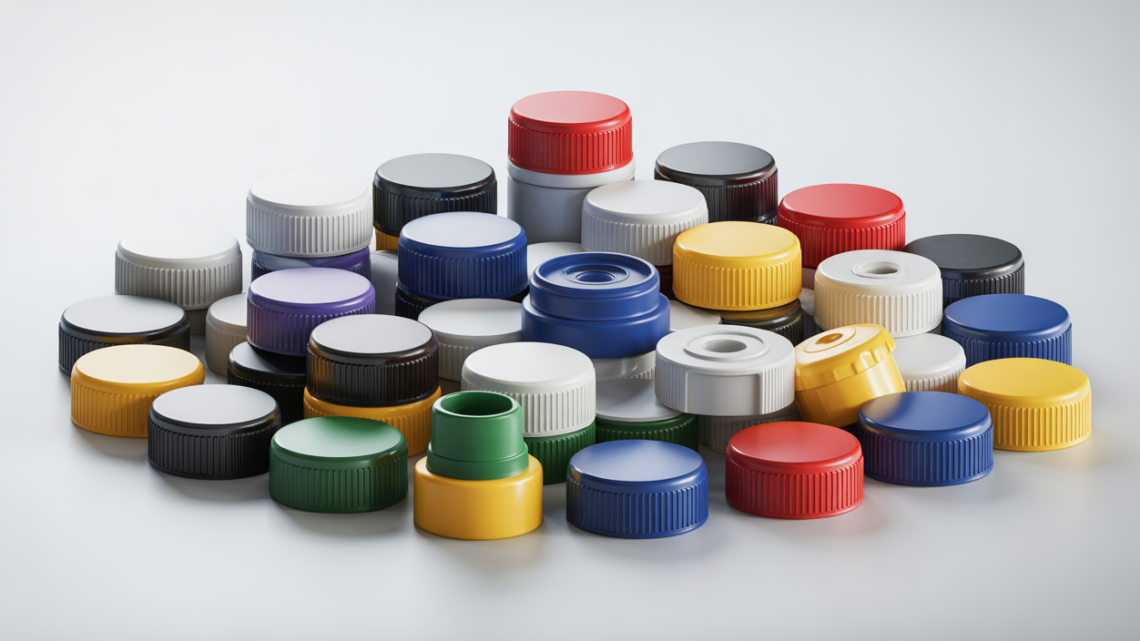
A capable closure bottle caps manufacturer in Delhi, India will not be limited to basic screw caps. MD PET, for example, can support a broad range of needs so you can standardise suppliers across product lines.
- Screw-on caps: The most common option for PET bottles in food, beverages, and household products.
- Flip-top and dispensing caps: Ideal for shampoos, lotions, sauces, and other products that need controlled flow.
- Push-pull caps: Useful for sports drinks and kids’ beverages where easy, on-the-go use matters.
- Tamper-evident closures: Rings or bands that clearly show if the cap has been opened, important for edible or sensitive products.
- Child-resistant closures: Special designs that are harder for children to open, widely used for chemicals and some medicines.
Besides design, material choice also matters. Most high-quality closures use food-grade PE or PP. MD PET can help you select between these based on rigidity, chemical resistance, and recyclability targets for your brand.
Inside the Manufacturing Process at a Professional Plant
Understanding how closures are made helps you evaluate a supplier. A mature manufacturer follows a clear, repeatable process with strict checks at each stage.
- Raw material selection: Only certified, food-grade polymers are sourced. Batches are checked for melt flow index, color, and contamination.
- Tooling and design: Moulds are designed to match your bottle neck finish, thread profile, and tamper-evident features. This ensures smooth capping on your production lines.
- Injection molding: Molten plastic is injected into precision moulds on high-speed machines. Cycle times and temperatures are controlled to ensure consistent density and finish.
- Post-molding operations: Tamper bands are slit, liners may be inserted, and any sharp edges are removed. Caps are then collected in clean bins.
- Quality checks: Samples from each batch are tested for dimensions, torque, leak-proof performance, and visual defects.
- Packing and dispatch: Closures are counted, bagged, and packed in strong cartons to avoid deformation during transport.
Plants that follow recognised standards such as ISO for quality systems or food-contact guidelines provide extra confidence for Indian and export buyers.
Customization Options That Matter to Indian Investors
Every brand has its own bottle design, filling line, and positioning. A strong closure partner understands this and allows flexible customisation.
- Thread and neck finish: Perfect matching with your bottle neck avoids cross-threading and leaks.
- Liner types: Induction seal liners, foam liners, or no-liner options based on product and shelf-life needs.
- Colors and masterbatch: Closures can be matched to brand colors for a uniform shelf presence.
- Logo embossing or printing: Helps prevent duplication and enhances brand recall.
- MOQ and trial runs: Practical minimum order quantities let you test new SKUs without locking too much capital.
For new product launches, quick prototyping is vital. A responsive manufacturer will share early samples, accept feedback from your packaging and QA teams, and refine the design before full-scale production.
Why Choose a Delhi-Based Manufacturer?
For plants located in North India, working with a Delhi-based closure supplier brings very real business benefits. Shorter distances mean lower freight costs and faster replenishment. This cuts the risk of line stoppage due to delayed cap supplies.
Delhi and the wider NCR region also have access to a strong ecosystem of logistics, warehousing, and skilled labour. For investors, this translates to stable capacity and predictable lead times. Regular plant visits are easier, so your quality and sourcing teams can audit, discuss new projects, and build long-term partnerships.
For more ideas on optimising your supply choices, you may like this guide on building cost-effective industrial processes, which reflects how smart sourcing can improve margins.
Pricing, Lead Times, and What to Ask Before You Order
Prices for plastic closures usually depend on material, weight, design complexity, and order volume. Higher volumes allow better per-piece pricing. Special colors, child-resistant designs, or unique tooling add some upfront cost but often bring strong branding and safety benefits.
Lead time has two parts. First is development and tooling, which might take a few weeks for a new design. Second is regular production, which for a stable SKU can often be turned around in a shorter cycle, especially if you plan your forecasts with the supplier.
Before confirming a supplier, ask clear questions about:
- Monthly production capacity and backup plans in case of surge demand
- Standard lead times for repeat orders and urgent requirements
- Sample policy, including whether they offer free samples for testing on your lines
- Quality documentation and certifications that support your compliance needs
Key Benefits of Partnering With a Specialized Closure Manufacturer
Working with a focused closure producer in Delhi brings multiple, long-term advantages for your plant and your P&L.
- Consistent quality: Fewer line rejections, less wastage, and smoother bottling operations.
- Regulatory comfort: Easier to pass audits and meet export standards.
- Flexibility for new launches: Faster development of caps for new SKUs and pack sizes.
- Cost control: Stable pricing over time helps in planning margins and tender quotes.
If you are planning a broader upgrade of your operations stack, resources like this overview of managed services for businesses show how reliable partners in any function can boost efficiency.
FAQs About Choosing a Closure Bottle Caps Manufacturer in Delhi, India
Q1: What minimum order quantity should I expect when dealing with a closure supplier?
A: MOQs depend on cap design, tooling, and color. For standard, commonly used closures, many manufacturers accept moderate order sizes that suit growing brands. For highly customised designs or special colors, MOQs are usually higher to justify setup and material costs. It is wise to discuss your yearly volume plan so the supplier can offer a practical MOQ that aligns with your growth.
Q2: How can I quickly check if a manufacturer’s closures will run smoothly on my existing lines?
A: The best approach is to request technical drawings and a small batch of trial samples. Your packaging and production teams can then run them at different speeds, check for capping torque, leakage, and tamper-band break performance. Share detailed feedback with the supplier so they can fine-tune thread profiles or liner options before you commit to a larger order.
Q3: Are tamper-evident and child-resistant caps necessary for all products?
A: Not always, but they are strongly recommended for edible, drinkable, and hazardous products. Tamper-evident designs build consumer trust at the retail shelf, while child-resistant features add an extra layer of safety at home. Your regulatory team and your closure partner can help you pick the level of protection that fits your product category and target market.

Nicholas Jones is an author, speaker and business visionary. His work has been distributed in high-profile outlets like Forbes, Huffington Post, Fast Company, Huffington Post UK and then some. With a solid comprehension of business methodology, administration advancement and hierarchical change.