
EPR Certificate in India: Your Complete Guide to Compliance and Certification
February 19, 2026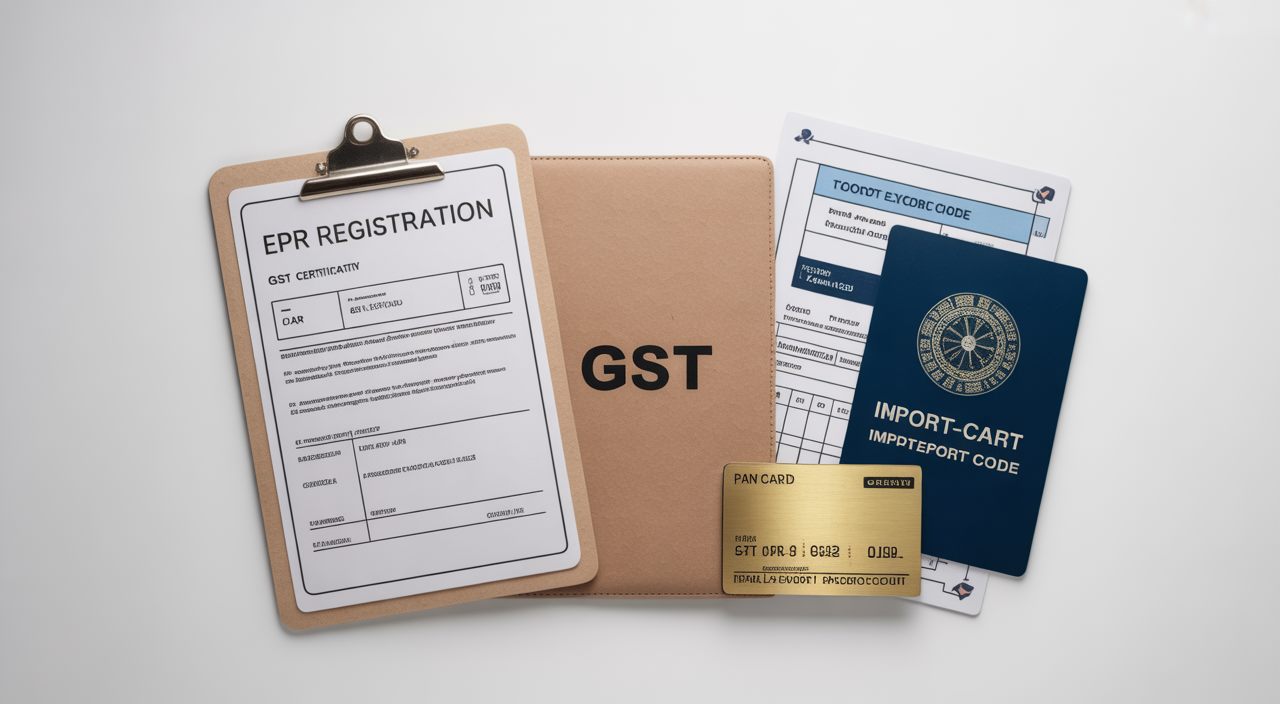
What is an EPR certificate in India and why does it matter?
Extended Producer Responsibility, or EPR, is a policy that makes producers responsible for the waste created by their products. If you manufacture, import, or sell products that create plastic or electronic waste in India, you are expected to manage this waste even after sale. To prove this compliance, you need an official document called an EPR certificate.
Getting an epr certificate in india shows that your business follows the Plastic Waste Management Rules and related regulations. It also tells investors, customers, and partners that you take sustainability seriously. For Indian founders and investors, this certificate is becoming as important as a tax registration or business license.
In this guide, you will learn why EPR matters, what documents you need, how the process works, and how a professional service can help you complete it smoothly and on time.
Key benefits of having an EPR certificate
EPR is not just about avoiding problems; it can also be a growth tool for your business. Here are the major benefits.
- Legal compliance: You meet the requirements of Indian environmental laws and stay ready for any inspection by regulators.
- Better brand image: Today’s consumers prefer companies that care about the environment. A valid EPR authorization sends a strong positive signal.
- Market access across India: Many large buyers, marketplaces, and distributors now ask for EPR details before onboarding suppliers.
- Real environmental impact: By meeting collection and recycling targets, your business actively reduces plastic and packaging waste.
- Higher investor confidence: Compliance with global sustainability norms can support fundraising, especially from institutional and foreign investors.
Who needs an EPR certificate in India?
In general, you need EPR authorization if you are:
- A manufacturer of plastic or packaging materials
- An importer bringing packaged products into India
- A brand owner selling products under your own brand, even if you outsource manufacturing
If your products use plastic packaging, multilayer packaging, or other regulated materials, EPR is not optional. It is a core part of your compliance checklist, just like GST and PAN.
Documents required for EPR registration
Getting the paperwork right from the start can save weeks of back-and-forth. Here is a simple list of what you usually need.
Mandatory documents
- GST registration certificate of the business
- Company PAN card
- Import Export Code (IEC), if you import products or packaging
- Detailed product list with correct HSN codes
- Data on production or import volumes for each product category
- Agreement or understanding with an authorized recycler or collection partner
Optional but helpful documents
- Environmental management certification such as ISO 14001
- Written environmental or sustainability policy of your company
- Previous compliance or approval letters, if you have applied earlier
Keeping these documents in digital format (PDF or clear images) makes the online filing process much faster.
Validity and renewal timeline
An EPR certificate is usually valid for one calendar year from the date it is issued. To keep your operations smooth, plan to renew at least 60 days before the expiry date. This buffer period helps you avoid any gap in validity, which could affect shipments, contracts, or audits.
Step-by-step process to get your EPR certificate
The actual process is straightforward if you follow each step carefully.
- Prepare your documents
Action for you: Collect all required documents and data in soft copy. Double check that GST, PAN, and IEC details match your company name and address. - Fill the online application
Action for you: Visit the official service portal and complete the registration form with company details, contact information, and product categories. Platforms like EPRCertificate.com make this easy with guided forms. - Upload and verification
Action for you: Upload all documents. A compliance team usually reviews the files and may ask for clarifications or updated documents to reduce chances of rejection by the authorities. - Pay the applicable fees
Action for you: Pay government filing charges plus any professional service fees through secure online payment options. - Review by CPCB/SPCB
The Central or State Pollution Control Board checks your application, documents, and proposed waste management plan. - Certificate issuance
Once approved, you receive your EPR authorization digitally. You can download and share it with customers, marketplaces, and partners. - Annual reporting
Action for you: Maintain records of waste collected, recycled quantities, and partners used. File annual returns on time to stay compliant year after year.
Common mistakes Indian businesses should avoid
Many delays and rejections happen due to small errors. Use this checklist as a quick self-review.
- Outdated or incomplete documents
- Wrong or mismatched HSN codes for your products
- No formal agreement with an authorized recycling or collection partner
- Waiting till the last minute for renewals
- Underreporting production or import figures, which can cause issues later during audits
For founders handling multiple priorities, using a specialist service helps avoid these mistakes and keeps the process stress-free. You can also learn more about general compliance planning from guides on strategic market entry and regulation.
What happens if you ignore EPR compliance?
While the focus should stay positive, it is important to understand the risks of not having a valid EPR registration. Authorities can impose per-day penalties of significant amounts, and in serious cases they may stop operations or restrict product movement. Non-compliance can also affect your ability to onboard on major marketplaces or export to strict markets.
For an investor, this means compliance gaps can directly impact revenue and valuation. Treat EPR like a core governance requirement, similar to audited financials.
How much does an EPR certificate cost?
Total costs vary based on your product range, scale, and the type of support you choose. In general, you will pay three types of fees.
- Government filing fee: A fixed or slab-based amount depending on your category.
- Annual compliance or monitoring fee: Ongoing charges linked to reporting and tracking.
- Professional service fee: If you hire experts for documentation, filing, and liaison with authorities.
For investors, these costs are relatively small compared to the risk of non-compliance and the value of a strong sustainability story when raising capital.
Why work with an expert EPR service partner?
Handling everything in-house is possible, but it demands time and regulatory knowledge. A specialized EPR service partner can:
- Review and structure your documents to match regulatory expectations
- Coordinate with pollution control boards on your behalf
- Track application status and keep you updated
- Support annual returns and reporting formats
- Help design a practical, cost-effective waste management strategy
This support is especially helpful for fast-growing companies that want to stay focused on product, sales, and fundraising. If you are planning wider expansion, you may also find it useful to study broader regulatory topics such as industrial waste recycling strategies for businesses.
Conclusion: Turn EPR into a strategic advantage
For Indian businesses and investors, the epr certificate in india is now a key part of running a responsible and scalable operation. It protects you from legal risk, builds trust with customers and partners, and shows that your growth is aligned with environmental goals.
By preparing the right documents, following the process step by step, and working with experienced professionals, you can complete EPR registration smoothly and keep it updated year after year. The result is a stronger, cleaner, and more future-ready business.
FAQs about EPR certificate in India
Q1: What exactly is covered under EPR for plastics and packaging?
A: EPR usually covers plastic packaging, multilayer packaging, labels, and sometimes related materials used to pack and ship your products. The exact scope depends on the latest government notifications, so it is wise to review them or consult a specialist before filing.
Q2: How long does it usually take to get an EPR certificate approved?
A: If your documents are complete and accurate, approval may take around 2 to 4 weeks. Complex cases or queries from the authorities can extend this timeline, which is why early filing and proper documentation are important.
Q3: Can startups and small businesses also apply for EPR?
A: Yes, there is no size limit. If your products fall under the covered categories, even a small or early-stage startup needs to comply. Many young brands use EPR compliance as a way to show they are serious about long-term sustainability.
Q4: Is one EPR certificate enough if I sell in multiple states?
A: In many cases, a central authorization covers operations across India, but some activities may involve state-level authorities. It is important to structure your application correctly so it matches your business model, distribution network, and locations.

Nicholas Jones is an author, speaker and business visionary. His work has been distributed in high-profile outlets like Forbes, Huffington Post, Fast Company, Huffington Post UK and then some. With a solid comprehension of business methodology, administration advancement and hierarchical change.