What Is a Sand Dredge and How Can Indian Investors Benefit from It?
February 11, 2026A sand dredge is a powerful tool for anyone involved in infrastructure, mining, or land development. For Indian investors, it can open doors to steady cash flow from rivers, reservoirs, and coastal projects. But how does it work, which type should you choose, and where does the real profit come from?
This guide walks you through the basics in simple terms. You will learn what a sand dredge does, the main types in the market, how to pick the right one for your project, and how to think about costs and returns.
By the end, you will be able to talk to vendors, contractors, and regulators with confidence and ask the right questions before you commit capital.
What Is a Sand Dredge?
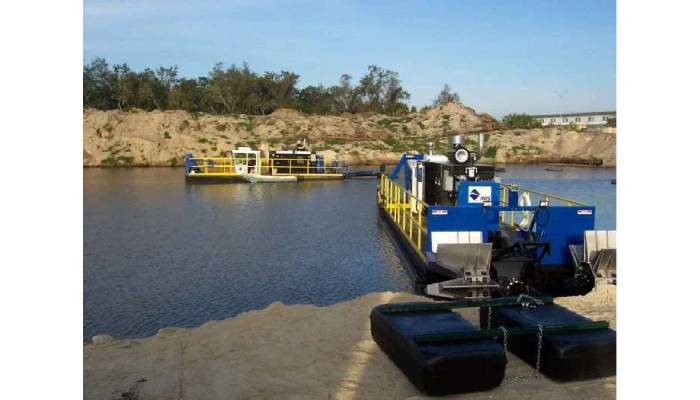
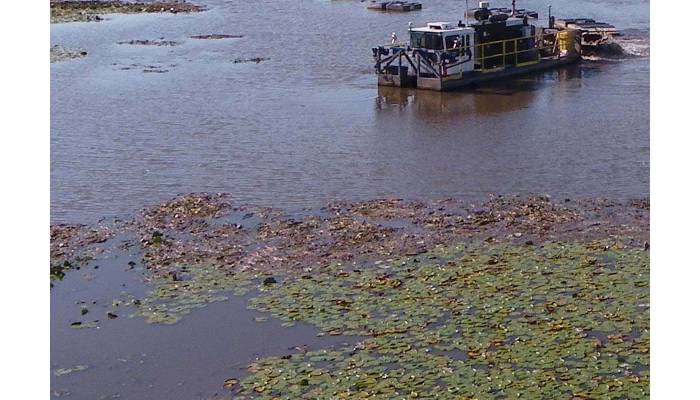
A sand dredge is a machine that removes sand and sediment from the bottom of a river, lake, reservoir, or coastal area. It uses a pump, pipes, and special cutting or suction tools to lift the material and move it to another location.
At a basic level, it does three things:
- Loosens sand on the waterbed or riverbed
- Sucks the sand-water mix into a pump
- Pushes the mix through pipes to the shore or to a barge
Sand dredging supports many activities in India, such as building roads and metros, deepening navigation channels, land reclamation near ports, and restoring rivers that are filling up with silt.
Key Components You Should Know
Most modern sand mining equipment shares a few core parts. Knowing these helps you understand performance and pricing.
- Dredge pump: The heart of the machine. It moves the sand-water mixture. Pump size and power decide how many cubic metres per hour you can move.
- Cutter head or suction head: The tool at the front. A cutter head breaks compact sand and clay. A simple suction head works well in softer deposits.
- Hull or platform: The floating or modular base that carries the pump, engine, and controls.
- Pipeline: The line that carries material from the dredge to the discharge area or sand stockpile.
When you compare offers, pay close attention to dredge pump performance and pipeline length. These two factors strongly affect fuel use and output.
Types of Sand Dredges and How They Work
Different projects need different dredging systems. Here are the main types you will hear about while speaking to equipment providers.
Cutter Suction Dredges
A cutter suction dredge has a rotating cutter at the front. This cutter breaks hard layers of sand, silt, and sometimes soft rock. The loosened material is then sucked by the pump and sent through a pipeline.
They are popular for:
- River training projects
- Reservoir desiltation
- Land reclamation near ports and industrial corridors
They suit investors who expect long-term contracts with predictable volumes, as they offer strong productivity and steady output.
Suction Hopper Dredges
Suction hopper dredges are large vessels that sail on their own. They lower drag arms into the water, suck sand into an internal “hopper,” then sail to a disposal or reclamation site and unload.
These are usually used for big port deepening projects and coastal nourishment. Due to high capital cost, Indian investors often work with established dredging contractor services rather than buying such vessels directly.
Portable and Modular Dredges
Portable dredges are smaller, easier to move, and can be assembled in remote areas. They are often built in modular sections that you can transport by truck and bolt together on site.
They work well for:
- Small to medium river sand extraction
- Private mining leases
- Far-flung reservoirs where large vessels cannot reach
For many Indian entrepreneurs, a portable mining dredge solution offers a lower entry ticket with flexible use across multiple leases.
How Indian Investors Can Choose the Right Sand Dredge
Choosing the right system is less about the “latest model” and more about matching equipment to your site and business plan.
Key points to check:
- Daily throughput: Estimate how many tonnes per day you need to extract. Then check if the dredge can deliver this in your actual water conditions, not just brochure numbers.
- Depth and distance: Note maximum working depth and how far you must pump the material. Longer discharge distance means more power and higher fuel use.
- Material type: Clean river sand is easier and cheaper to pump compared to mixed gravel or silty clay. For hard material, look for strong cutter power.
- Regulatory needs: Some states require strict sediment management and turbidity control. Check if the equipment supports silt curtains or other control systems.
To build comfort with capital-heavy decisions, many investors also read simple guides on asset financing and project planning. A helpful example is this article on what to look for when applying for a construction loan, which outlines how lenders view project risk and cash flows.
Cost and ROI: How to Think Like a Long-Term Investor
When you study dredging cost, do not focus only on the purchase price. Look at the total cost over the full life of the project.
Main components include:
- Capex: Purchase price of the dredge, pipeline, booster pumps if needed, and basic site setup.
- Opex: Fuel, crew wages, spare parts, regular maintenance, and transport between sites.
- Downtime cost: Every hour the dredge is not running, you lose production. Reliable equipment and good maintenance reduce this.
On the revenue side, investors in India often earn through:
- Sale of sand to construction firms and ready-mix plants
- Per-cubic-metre payment for desiltation or channel deepening
- Long-term contracts for maintaining ports, jetties, and waterways
If you treat the dredge like a core asset in a small infrastructure company, you can build stable, contract-based income that is less volatile than trading or short-term speculation.
Best Practices for Operation and Maintenance
Running a sand dredging process smoothly is mainly about discipline. A few simple habits can protect your investment.
- Follow a fixed maintenance schedule for engines, pumps, and gearboxes.
- Train your crew to monitor pressure gauges and flow rates so they can spot clogs early.
- Keep a small stock of critical spares like pump liners, impellers, and seals.
- Record daily production and fuel use to track efficiency and detect issues quickly.
Good records also help when you seek bank funding or want to bring in partners, because you can show clear performance data.
Environmental and Regulatory Considerations in India
Sand mining regulations in India are getting stricter, which is positive for serious, compliant investors. Clear rules protect the environment and reduce the impact of illegal competition.
Common requirements include:
- Valid mining lease and environmental clearance
- Approved mining plan with limits on daily extraction
- Measures to control turbidity and protect nearby habitats
- Proper rehabilitation of mined areas where needed
Investing in quality equipment and documented processes makes it easier to work within these rules and maintain long-term contracts with public agencies and private clients alike.
Connecting Sand Dredging to a Broader Business Strategy
For many Indian entrepreneurs, a sand extraction dredge is only one piece of a larger plan. You might combine it with transport, crushing, or ready-mix operations.
In such cases, it helps to think in terms of systems, not just standalone machines. You can find useful ideas on building efficient, tech-enabled operations in resources like this guide on developing cost-effective industrial waste recycling solutions, which highlights how smart planning cuts both cost and risk.
FAQs About Sand Dredges
Q1: How long does a sand dredge typically last?
With proper care, a quality dredge can work for 10–20 years or more. The hull and main frame last the longest, while parts like pump liners and cutter teeth need regular replacement based on usage and material hardness.
Q2: Is a portable dredge enough for commercial sand mining?
Yes, for many river and reservoir projects a portable unit is more than enough. The key is matching its capacity to your lease size, depth, and contract terms. For mega port or coastal projects, larger cutter suction or hopper dredges may be required.
Q3: How can I reduce operating costs without sacrificing output?
Focus on efficient pump selection, optimal pipeline layout, and trained operators. Small improvements in dredge pump performance and crew skills often bring bigger savings than cutting corners on maintenance or fuel quality.

Nicholas Jones is an author, speaker and business visionary. His work has been distributed in high-profile outlets like Forbes, Huffington Post, Fast Company, Huffington Post UK and then some. With a solid comprehension of business methodology, administration advancement and hierarchical change.