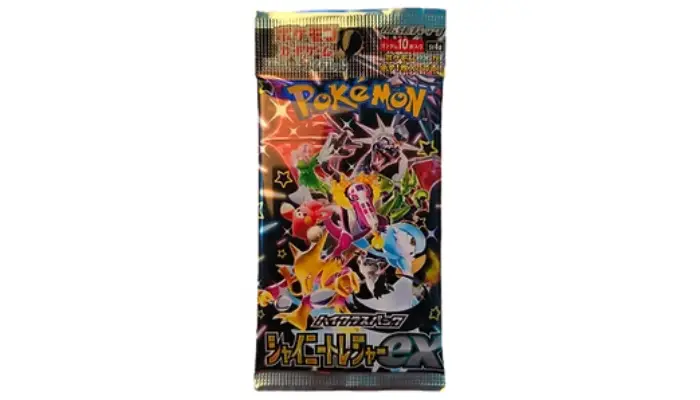
How to Spot Fake Pokemon Cards VMAX Packs?
June 27, 2025To spot fake Pokémon VMAX cards and packs, start by checking the card’s feel and look. Real cards have a sturdy, slightly textured cardstock with a dark middle layer you can see in a rip test; fakes often feel flimsy or too thick like construction paper. Look closely at print quality: fake cards usually show blurry images and dull colors that sometimes shift oddly, like blues turning purple. Pay attention to spelling errors or wrong fonts, fake cards often miss accents or have weird spacing. For booster packs, genuine ones have vibrant packaging with clear logos and tamper-proof seals, while fakes may use thin wrappers and lack production codes. Also, beware of unusual stats or holofoil patterns that don’t change with light. Always buy from trusted sources to avoid counterfeit sets that spoil gameplay and collection value.
How to Feel the Difference Between Real and Fake Pokémon VMAX Cards?
One of the easiest ways to spot fake Pokémon VMAX cards is by simply feeling them. Authentic cards are printed on sturdy cardstock with a slightly textured surface that feels solid in your hands. In contrast, fake cards often feel flimsy, plasticy, or even like thin construction paper. Real VMAX cards have a consistent weight and thickness, if a card feels too light or oddly thick, that’s a red flag. When you bend a genuine card, it flexes a little but resists bending too far; fake cards might bend too easily or feel brittle and crack under slight pressure. Edges are another giveaway: real cards have smooth, clean-cut edges, while fake ones often show rough, fuzzy, or uneven edges. If you hold a real card up to the light, it won’t reveal strange transparency or light leakage, but fakes sometimes do. Another trick is the rip test, where a small tear shows a dark, opaque middle layer in authentic cards, fake cards usually lack this.
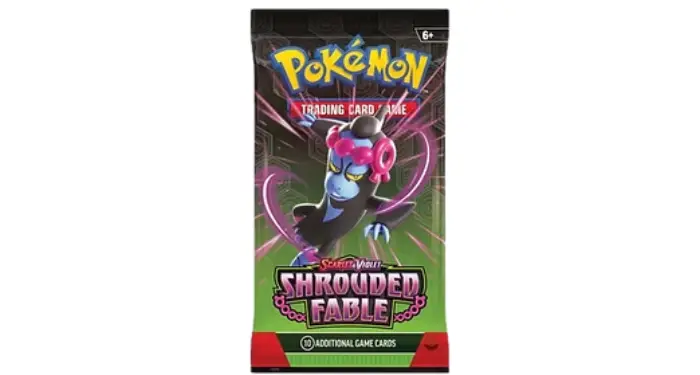
Spotting Poor Print Quality and Off-Colors on Fake VMAX Cards
One of the clearest signs of fake VMAX cards is poor print quality. The artwork and text often appear blurry or pixelated because counterfeiters use low-resolution printing methods. Unlike authentic cards with crisp, sharp edges on colors and details, fake cards may have colors bleeding or blending unevenly across the surface. You might notice that blues look purplish or that colors seem dull and washed out instead of vibrant. In many cases, fake VMAX cards show inconsistent saturation, meaning some areas are overly bright while others look faded or dull. Another giveaway is the holofoil pattern: real VMAX cards have reflective foil that shifts and shimmers when you tilt them, while fake cards usually have a flat, printed foil that doesn’t change with light. Fake cards can also have weird color tints like brownish or yellowish hues not found on genuine cards. Text and energy symbols may look washed out or unnaturally bright, and print registration issues often cause ghosting or shadows around letters and images. All these subtle but telling flaws help you spot a fake VMAX card at a glance if you know what to look for.
- Fake cards often have blurry or pixelated artwork and text due to low-resolution printing.
- Colors on counterfeit cards tend to be dull, washed out, or have a strange tint (e.g., blues turning purplish).
- Fake VMAX cards may show inconsistent color saturation across the card surface.
- Edges of colors may bleed or lack sharpness on fake cards, unlike crisp edges on authentic ones.
- Fake cards sometimes have color mismatches, especially on backgrounds and character details.
- Reflective holofoil patterns on real VMAX cards shift and shimmer with light angle; fakes usually have flat or printed foil.
- Fake cards might have a brownish, yellowish, or orangish hue not present on genuine cards.
- Text and energy symbols in fake cards can appear washed out or overly bright and unnatural.
- Fake cards may have uneven glossiness or dull spots in the artwork or holo areas.
- Print registration (alignment of colors and text) is often off on counterfeit cards, causing ghosting or shadows.
Identifying Spelling, Font, and Symbol Errors on Fake Cards
One of the clearest signs of fake Pokémon VMAX cards is spelling errors. Check closely for misspelled Pokémon names, like ‘Wartortleh’ instead of ‘Wartortle,’ or missing accents such as the acute accent on ‘Pokémon.’ Attack names and descriptions may also contain typos or awkward phrasing that don’t match official cards. Fonts on counterfeit cards often differ noticeably from authentic ones, with inconsistent letter shapes, varying weights, or unusual kerning where letters are spaced too tightly or too far apart. Energy symbols and icons for weakness, resistance, and retreat cost might be off, misaligned, incorrectly colored, or the wrong size and shape. HP and attack damage numbers can appear unrealistic or placed in odd spots on the card. Fake cards sometimes include strange symbols or logos never seen on real cards, and they often miss trademark symbols or copyright details that should be present. Paying attention to these subtle but important errors can help you avoid counterfeit VMAX cards.
Checking Size, Thickness, and Cut for Authenticity
When trying to spot fake Pokémon VMAX cards, one of the first things to check is the size. Authentic cards have very precise dimensions, so measuring a suspect card against a verified genuine card can quickly reveal if it’s off. Fake cards are often slightly smaller or larger, which might seem minor but is a clear red flag. Next, look closely at the card’s edges and corners. Real cards have clean, uniform cuts with smoothly rounded corners. If you notice uneven, frayed edges or corners that are sharp or irregular, you’re likely dealing with a fake. Thickness also matters: genuine cards have a consistent thickness that isn’t too thin or too thick. Fake cards can feel flimsy, overly thick, or sometimes like rough construction paper. Try slipping the card into a standard card sleeve, real cards fit snugly without being too tight or loose, while fakes often don’t fit right due to size or cut inconsistencies. Using a magnifying glass can help check border widths; authentic cards maintain consistent border thickness all around, while fakes might show uneven borders or visible layering at the edges because of poor cutting. Another test is bending the card gently, real cards flex smoothly and evenly, whereas fake ones may crease, warp, or peel. Look closely at the transition from front to back layers: genuine cards have a smooth, seamless finish, but fakes sometimes show peeling or separation. Comparing the suspect card to multiple authentic examples is a smart move, as subtle differences in size, thickness, or cut become easier to spot with side-by-side inspection.
Recognizing Fake Holofoil and Reflective Features on VMAX Cards
One key way to spot fake Pokémon VMAX cards is by examining their holofoil and reflective features closely. Authentic VMAX cards have holofoil patterns that shift and change color when you tilt them. These patterns are detailed, multi-directional, and have a distinct texture that is sometimes slightly raised. In contrast, fake holofoils usually look flat and static, often printed on without any real texture. They may have a uniform pattern that lacks the complexity of genuine cards, or a single-color reflective layer instead of the intricate holo design. Another giveaway is the card’s back: real VMAX cards have a matte finish with no shine, so if you see a reflective back, it’s almost certainly fake. Fake holofoils can also show signs of poor quality, such as scratches, peeling edges, or abrupt transitions where the foil ends, unlike the seamless blending on authentic cards. Under bright light, fake foils often appear overly glossy or plasticy, with uneven shine and dull spots that real cards don’t have. To be sure, compare the holo pattern placement and texture with a known genuine card; inconsistencies here are a strong indicator of a counterfeit.
How to Examine Booster Pack Packaging for Signs of Fakes?
When checking Pokémon VMAX booster packs, start by looking closely at the packaging. Genuine packs always display official logos and copyright information clearly and sharply, if these look faded or missing, that’s a major red flag. The colors on authentic packs are bright and consistent, so if the hues seem dull, washed-out, or off, it’s likely a fake. Spelling mistakes or grammatical errors on the pack, like misspelled Pokémon names or awkward phrasing, are common on counterfeit products. Take a close look at the artwork: real packs have crisp, high-quality images, while fakes often show blurry or pixelated pictures. The material itself matters too, authentic boosters use thicker, textured paper or plastic wrappers that feel sturdy. Fake packs tend to be flimsy or overly smooth. Check that the set names and logos on the wrapper are correct and present; missing or wrong logos indicate counterfeit. Fonts should be uniform with proper spacing between letters; inconsistent fonts or poor kerning suggest a fake. On the back, a legitimate pack has a clean, easy-to-read production code printed clearly, which fakes often lack or print poorly. Finally, inspect the seal and edges: real packs have neat, tight seals without wrinkles or gaps, and folds are precise and tidy. If the seal looks loose or the packaging has uneven folds or tears, it’s probably counterfeit.
Detecting Fake Pack Wrappers and Seal Quality
When checking Pokémon VMAX booster packs, the wrapper and seal are your first clues. Authentic packs have tamper-evident seals placed right in the center, designed to be hard to remove without causing visible damage. If you notice a seal that’s off-center, loose, or peels off easily without tearing, it’s a major red flag. Genuine wrappers use thicker, sturdier material that feels less flimsy than counterfeit ones, which often seem thin or plasticy. Take a close look at the edges of the pack: real packs are heat-sealed with smooth, clean lines, while fake packs usually have rough, uneven seals or inconsistent folds. Foil layers on authentic packs are smooth and well-adhered, unlike fake wrappers that might show bubbling or flaking. Also, check the seal’s texture, a real seal often has a slight pattern or texture, whereas fake seals tend to be overly smooth or shiny. Watch for signs of resealing too, such as glue marks or mismatched folds, which indicate tampering or repackaging. Lastly, the size of the wrapper matters; counterfeit packs sometimes have wrappers that are too tight or too loose due to incorrect length or width. Paying attention to these details helps you spot fake packs before you even open them.
Verifying Production Codes on Pokémon VMAX Booster Packs
One of the key ways to spot fake Pokémon VMAX booster packs is by checking the production code printed on the back of the wrapper. Authentic packs always have a clear, sharp production code that uses a consistent font and size. This code usually includes batch numbers and manufacturing dates formatted in a standard way, which helps track when and where the pack was made. Fake packs might miss this code entirely or show a smudged, blurry print that looks rushed. Sometimes counterfeiters try to replicate real production codes by copying them, but the print quality often gives them away. The location of the code on genuine packs is always consistent, usually on the back near the barcode, and it never appears on the front or in odd places. If you see a code on the front or notice the code’s position shifts between packs, that’s a red flag. Also, check the barcode near the production code; missing or incorrect barcodes are common in fakes. A good practice is to compare the production code with known valid codes found online from trusted sources. Fake codes often use random numbers or repeat sequences that don’t match official patterns. Paying attention to these details can save you from falling for counterfeit VMAX packs.
What to Look for Inside Packs: Card Quality and Code Cards?
When you open a genuine Pokémon VMAX pack, the cards inside should immediately feel different from fakes. Authentic cards have a sturdy, slightly textured cardstock that matches known authentic cards in thickness and weight. The print is sharp with vibrant colors and clean edges, while fake packs often contain cards that look dull, blurry, or have off colors like purplish blues or odd yellowish hues. Pay close attention to the mix of cards: real packs offer a balanced variety of common, uncommon, and rare cards, including a single code card for online redemption. If you find a pack packed with too many rare, GX, or VMAX cards, or mostly commons, that’s suspicious. The code card should have clear, crisp printing, proper fonts, consistent sizing, and no spelling or formatting errors. Many fake packs either skip the code card or include ones with invalid or repeated codes. Inspect the backs of cards for accurate colors and sharp patterns; fake cards sometimes have unusual reflections or incorrect shades. Holofoil rare cards in authentic packs show a detailed, textured holo pattern that changes with light angle, unlike flat or printed-on holo effects found on fakes. Also, watch out for duplicate cards or cards in suspiciously perfect condition inside fake packs. Finally, check the card layout: spacing, icon placement, and energy symbols should be precise and consistent with known authentic cards. Any oddities in these details often point to counterfeit products.
Using the Rip Test and Black Light to Confirm Authenticity
One practical way to verify if a Pokémon VMAX card is real is by performing the rip test, but do this carefully on a corner that won’t affect the card’s value if damaged. Tear gently to expose the internal layers: authentic cards have a distinct dark, opaque middle layer made of cardstock. Fake cards often lack this and instead show multiple thin paper layers or tear unevenly, giving away their flimsy construction. Alongside this, using a UV black light can be a non-invasive method to check for hidden security features. Genuine cards and booster packs sometimes include UV-reactive inks or markings invisible to the naked eye, which glow under black light. Fake cards and packs typically miss these details or show inconsistent fluorescence. Combining both tests with visual and tactile inspection offers a stronger confirmation, especially when print quality or packaging alone leaves doubts. These methods help collectors avoid counterfeit VMAX cards and packs without relying solely on surface appearances.
Where to Buy and How to Avoid Fake Pokémon VMAX Packs?
To avoid fake Pokémon VMAX packs, always buy from official retailers or well-known stores with verified authenticity. Be cautious on online marketplaces like eBay or Amazon; deals that seem too cheap or sellers without a clear reputation are often risky. Before purchasing, check the packaging carefully for official Pokémon branding, logos, and copyright info. Genuine packs feature vibrant colors, detailed artwork, and correct set names that match official releases. Look for a clear, tamper-proof seal placed centrally on the booster pack wrapper, fake packs often have loose or poorly placed seals. Verify the production code printed on the back of the pack; many counterfeit packs either lack this code or have low-quality, incorrect printing. If buying in person, compare the suspected pack with a known authentic one to spot differences in size, color brightness, seal quality, and packaging material texture. After opening, examine the cards inside: authentic cards have consistent weight, texture, and sharp print quality, plus a code card for online redemption, the absence or invalidity of this code is a strong red flag. Finally, use community reviews and feedback on sellers to confirm their trustworthiness before making a purchase. Sticking to these steps helps ensure you get real Pokémon VMAX packs and avoid counterfeit products that can ruin collection and gameplay.
Community Resources and Tools for Card Verification
When trying to spot fake Pokémon VMAX cards and packs, tapping into community resources can make a big difference. Official Pokémon Trading Card Game databases are a solid starting point, letting you cross-check card stats, artwork, and text against genuine entries. Websites offer detailed comparisons of fonts, kerning, and card layouts, which helps spot subtle differences that fakes often miss. Online forums such as Reddit’s r/PokemonTCG bring real-time advice and shared experiences from collectors who’ve dealt with counterfeit cards firsthand. Video guides and tutorials are especially handy, showing side-by-side comparisons of fake versus authentic cards and packs, giving you a visual edge. Smartphone apps designed for card recognition can quickly scan and verify cards, saving time and boosting accuracy. Engaging with local or online Pokémon TCG groups adds another layer of protection, as you can post suspicious cards and get community feedback. For physical checks, UV black light tests reveal special inks found only on real cards and packs, while carefully performed rip tests expose the card’s internal layers to confirm authenticity. Community databases often list known fake traits like odd symbols or incorrect stats, so keeping up-to-date there is key. Finally, following trusted influencers and content creators who specialize in identifying fake Pokémon cards ensures you stay informed with the latest tips and trends in counterfeit detection.
Risks and Downsides of Using Fake Pokémon VMAX Cards and Packs
Using fake Pokémon VMAX cards and packs comes with several significant risks. Fake cards often suffer from poor print quality, leading to unclear images and dull or incorrect colors that can ruin the visual appeal. Spelling mistakes, wrong fonts, and inconsistent letter spacing are common, making the cards look unprofessional and easy to spot. Stats on counterfeit VMAX cards are frequently exaggerated or inaccurate, like unrealistically high HP values, which not only break the game balance but also make these cards useless in official play. The holofoil texture on fake chase cards is usually flat, lacking the proper light reflection, which is a dead giveaway. Fake packs themselves often miss tamper-proof seals and production codes, making them easy to open and manipulate, and the cards inside tend to feel flimsy, either too papery or plasticy, missing the sturdy cardstock genuine cards have. Playing with fake cards can spoil the gaming experience due to their poor durability and inconsistent behavior during matches. On top of that, fake cards and packs are not allowed in tournament play, so they hold no value for serious players. There’s also a safety concern since counterfeit products might be made from toxic or low-quality materials that could be harmful to users. Beyond personal drawbacks, using fake Pokémon cards damages the market by undermining the value of genuine cards and harming the collector community as a whole.
Frequently Asked Questions
1. What physical features should I check to tell if a Pokemon VMAX pack is fake?
Look closely at the card stock, print quality, and colors. Genuine packs have smooth finishes and vibrant colors, while fakes might feel rough, have dull colors, or blurred text and images.
2. How can the packaging design help me spot counterfeit VMAX packs?
Pay attention to the details on the packaging, including logos, holograms, and fonts. Fake packs often have spelling mistakes, inconsistent fonts, or poor holographic effects that don’t match official products.
3. Are there specific signs in the cards themselves that reveal a VMAX pack is fake?
Yes, check the card’s weight, thickness, and transparency by holding it against the light. Real Pokemon cards have a unique layering effect and consistent weight, while fake ones may feel lighter, thinner, or have uneven edges.
4. Can the smell or texture of a VMAX pack indicate if it’s authentic or fake?
Sometimes, yes. Authentic packs usually have a neutral or slightly glossy smell due to official packaging materials. Fake packs might emit chemical or plastic odors and feel different in texture, either too sticky or overly smooth.
5. Is there a way to verify a VMAX pack’s authenticity using digital tools or apps?
Some apps and websites can help verify cards by scanning QR codes or images, but not all VMAX packs have these features. Cross-checking with trusted databases or forums where collectors share known fake examples is usually more reliable.
TL;DR Fake Pokémon VMAX cards and packs often show clear signs like flimsy feel, poor print quality, spelling errors, wrong fonts, and inaccurate stats. Check for wrong colors, bad holofoil effects, and shiny backs that real cards don’t have. Inspect booster pack packaging carefully, look for dull colors, bad seals, missing or incorrect production codes, and fake code cards inside. Simple tests like the rip test and black light can help spot counterfeits. Always buy from trusted sellers and use community resources to verify cards. Using fake packs risks damaging your collection value and gameplay experience.
Resource URL:
https://en.wikipedia.org/wiki/Pok%C3%A9mon_Trading_Card_Game
https://www.pandashops.store/card-packs

Nicholas Jones is an author, speaker and business visionary. His work has been distributed in high-profile outlets like Forbes, Huffington Post, Fast Company, Huffington Post UK and then some. With a solid comprehension of business methodology, administration advancement and hierarchical change.