Why Choose A Home Sleep Apnea Test Over A Sleep Study In A Clinic?
January 18, 2025Sleep apnea is a common and serious sleep disorder that can significantly affect your health if left untreated. It causes interruptions in breathing during sleep, leading to poor-quality rest and increased risk for conditions such as hypertension, heart disease, diabetes, and more. Traditionally, diagnosing sleep apnea required a visit to a sleep clinic for a comprehensive sleep study (polysomnography). However, with advancements in technology, home sleep apnea tests (HSATs) have become an increasingly popular alternative. These tests offer many benefits that can make them a more attractive option for diagnosing sleep apnea. In this article, we will explore why you should consider a home sleep apnea test over a sleep study in a clinic.
What Is A Home Sleep Apnea Test?
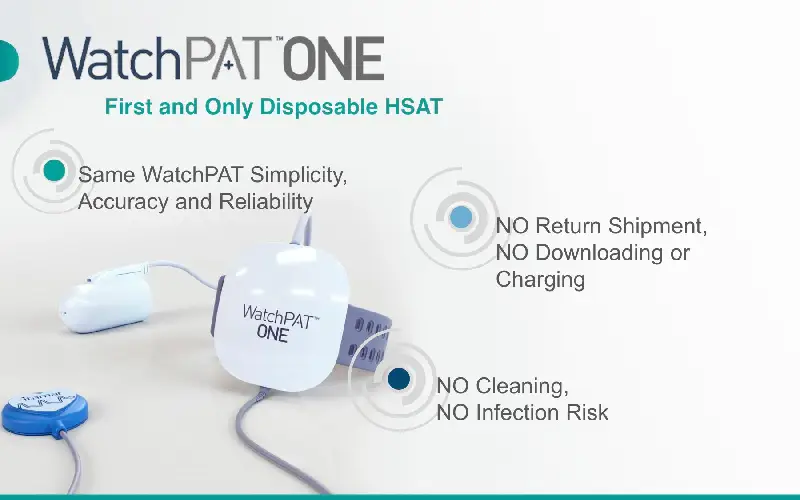
A home sleep apnea test (HSAT) is a diagnostic tool that allows individuals to test for sleep apnea in the comfort of their own home. The test typically involves wearing a portable device that monitors your breathing patterns, oxygen levels, heart rate, and other physiological parameters during sleep. Unlike a traditional sleep study, where you spend the night in a clinic connected to various machines and sensors, a home sleep apnea test is designed to be simple, minimally invasive, and easy to use.
Benefits Of A Home Sleep Apnea Test
Convenience And Comfort
One of the most significant advantages of a home sleep apnea test is the comfort and convenience it offers. In a traditional sleep study, you are required to travel to a sleep center, where you may feel uncomfortable or anxious due to the unfamiliar setting. You are also attached to various wires and sensors that can make it difficult to fall asleep.
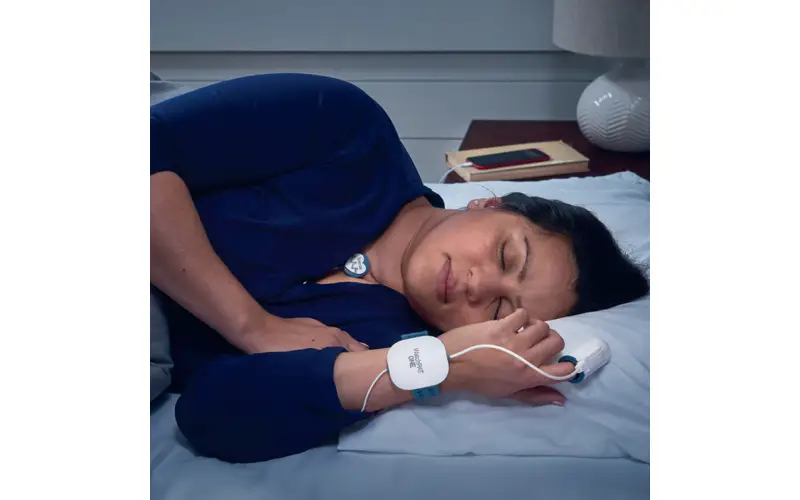
With a home sleep apnea test, you can conduct the test in the comfort of your own bed. You simply wear the monitoring device, which is typically small and non-invasive, and sleep as you normally would. This environment is far less stressful, allowing for a more natural sleep, which can lead to more accurate results. Many patients feel more relaxed and comfortable during an HSAT, increasing the likelihood of a successful test.
Cost-Effectiveness
Sleep studies in clinics can be quite expensive, with costs sometimes exceeding several thousand dollars. This can make the diagnostic process a financial burden for many individuals, particularly those without insurance or with limited coverage for sleep disorders.
In contrast, a home sleep apnea test is significantly more affordable. The cost of the device and the professional interpretation of the results is usually much lower than the price of an in-clinic sleep study. In fact, many insurance companies cover home sleep apnea tests as part of their coverage for sleep disorder treatments. Even if you are paying out of pocket, the affordability of HSATs makes it an attractive option for many individuals.
Time-Saving
Scheduling a sleep study at a clinic can be time-consuming. It often requires waiting weeks or even months for an appointment, then spending an entire night at the sleep center, sometimes followed by additional appointments to discuss the results. This process can be particularly challenging for people with busy schedules, young children, or jobs that do not allow them to take extended time off.
On the other hand, a home sleep apnea test can be done at your convenience, typically within a few days or weeks. Since the test is conducted in your own home, there are no long waits, travel times, or interruptions to your routine. You can schedule the test for a night when you are able to sleep naturally, and the results are typically available in just a few days.
Ease Of Use
The simplicity of a home sleep apnea test is another key advantage. In a sleep clinic, you are often connected to various devices that monitor your brain waves, heart rate, oxygen levels, and other parameters. This requires specialized equipment and trained staff to ensure that everything is functioning properly. While this provides highly detailed data, it can also make the process complicated and overwhelming.
In contrast, a home sleep apnea test is designed to be user-friendly. The device is typically small, lightweight, and easy to wear. Most devices involve simple sensors that attach to your body or face, such as nasal cannulas or pulse oximeters. You follow basic instructions on how to use the equipment, and once you are set up, you can sleep as you normally would. The device collects data throughout the night, which is later sent to a healthcare provider or sleep specialist for analysis.
Privacy
For some individuals, the idea of sleeping in a clinic with other patients and medical professionals monitoring their every move can be uncomfortable. This lack of privacy may deter them from seeking help for sleep apnea, even if they suspect they have the condition. A home sleep apnea test allows you to maintain your privacy and test for sleep apnea without the need for outside observation.
The test can be done in your own home, on your terms, and with minimal interaction with healthcare providers. This sense of autonomy may be more appealing to those who prefer a more private, personal approach to their health.
Accurate Diagnosis For Mild To Moderate Sleep Apnea
While in-clinic sleep studies are comprehensive and ideal for diagnosing all types of sleep apnea, home sleep apnea tests are generally well-suited for diagnosing obstructive sleep apnea (OSA), particularly in individuals who exhibit moderate to severe symptoms. These tests monitor key parameters such as oxygen levels, breathing patterns, and heart rate, which are critical for detecting the presence of sleep apnea.
For individuals with more complex or severe sleep apnea symptoms, a clinic-based study might still be recommended. However, for the majority of patients with moderate symptoms or suspected OSA, a home sleep apnea test provides a convenient and accurate diagnostic tool.
When Is A Home Sleep Apnea Test Not Enough?
While home sleep apnea tests are effective for many patients, they are not suitable for everyone. Here are a few situations where a sleep study in a clinic may still be necessary:
- Complex or Severe Cases: If you have severe sleep apnea or other underlying health conditions that may affect your breathing during sleep, a full polysomnography in a clinic may be necessary. This type of study provides more detailed information and can monitor additional physiological factors that a home test might miss.
- Comorbidities: Individuals with other medical conditions such as heart failure, chronic lung disease, or neuromuscular disorders may need a more comprehensive sleep study to account for these factors.
- Non-Diagnosed Symptoms: If you experience unusual or complex symptoms that do not seem typical of sleep apnea, a clinic-based study may be recommended for a more thorough evaluation.
Conclusion
Choosing a home sleep apnea test over a traditional sleep study in a clinic offers numerous benefits, including convenience, cost savings, ease of use, and privacy. For individuals who suspect they may have sleep apnea and have symptoms such as loud snoring, excessive daytime sleepiness, or interrupted sleep, a home sleep apnea test provides an accessible and comfortable option to get the answers they need. While clinic-based studies are still necessary for complex cases, a home test can be an excellent first step for many people seeking to diagnose and address sleep apnea.

Dean Krause is a versatile writer based in the vibrant city of Seattle, United States. With a passion for business and technology, Dean crafts compelling content that engages and informs readers. With a keen understanding of diverse subjects, Dean’s writing resonates with audiences seeking insightful perspectives on the latest trends and innovations in the ever-evolving landscape of modern industries.