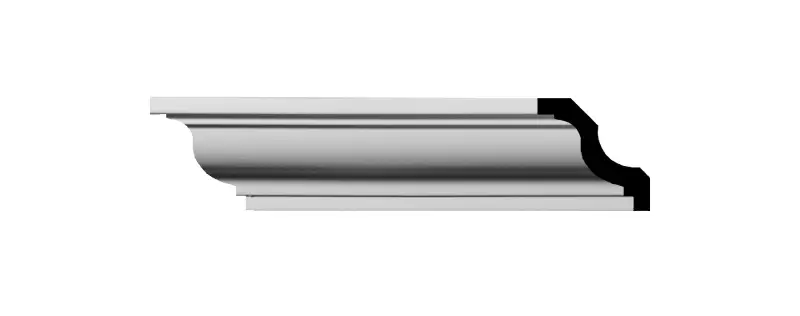
From Concept To Creation The Art Of Polyurethane Molding
April 13, 2024Polyurethane molding is a versatile and innovative process that allows for the creation of a wide range of products and components used in various industries. Understanding the basics of polyurethane molding is essential for appreciating its capabilities and applications. From concept to creation, polyurethane molding involves a series of steps that require precision, expertise, and creativity to achieve optimal results. Exploring the versatility of polyurethane molding reveals its potential to produce intricate designs, durable products, and cost-effective solutions for a variety of purposes. Perfecting the design process for polyurethane molding involves collaboration between designers, engineers, and manufacturers to ensure that the final product meets the desired specifications and quality standards. The importance of precise measurements in polyurethane molding cannot be overstated, as even small deviations can affect the functionality and performance of the finished product.
Understanding The Basics Of Polyurethane Molding
Polyurethane molding is a manufacturing process that involves injecting or pouring liquid polyurethane into a mold to create a desired shape. This versatile material can be formulated to have different properties, such as flexibility, hardness, and density, making it suitable for a wide range of applications. Polyurethane molding can be used to produce parts and components for industries such as automotive, construction, electronics, and consumer goods. Understanding the basics of polyurethane molding involves knowledge of the different types of molds, the injection or pouring process, and the curing or setting of the material to form the final product. Techniques for consistent and high-quality polyurethane molding involve attention to detail, proper equipment maintenance, and adherence to best practices throughout the manufacturing process. Innovations in polyurethane molding technology continue to drive advancements in the industry, enabling manufacturers to produce complex shapes, improve production efficiency, and reduce environmental impact.

Exploring The Versatility Of Polyurethane Molding
The versatility of polyurethane molding lies in its ability to produce complex shapes, intricate details, and a wide range of textures and finishes. Polyurethane can be molded into virtually any shape, from simple geometric forms to highly intricate designs, making it suitable for a variety of applications. Additionally, polyurethane molding can be used to create products with different mechanical properties, such as flexibility, toughness, and resilience, to meet specific performance requirements. Whether used for prototyping, low-volume production, or mass manufacturing, polyurethane molding offers flexibility, efficiency, and cost-effectiveness.
Perfecting The Design Process For Polyurethane Molding
Perfecting the design process for polyurethane molding involves a combination of creativity, engineering expertise, and practical considerations. Designers must consider factors such as part geometry, material properties, mold design, and manufacturing constraints to ensure that the final product meets the desired specifications and quality standards. Collaboration between designers, engineers, and manufacturers is essential to address any technical challenges and optimize the design for efficient production.
The Importance Of Precise Measurements In Polyurethane Molding
Precise measurements are critical in polyurethane molding to ensure that the finished product meets the desired specifications and quality standards. Even small deviations in dimensions can affect the functionality, performance, and appearance of the final product. Manufacturers must use accurate measuring tools and techniques to monitor key parameters such as temperature, pressure, and curing time throughout the molding process. Additionally, quality control procedures should be implemented to verify the dimensional accuracy and consistency of each molded part.
Techniques For Consistent And High Quality Polyurethane Molding
Achieving consistent and high-quality polyurethane molding requires attention to detail, proper equipment maintenance, and adherence to best practices throughout the manufacturing process. Mold design should be optimized for efficient material flow and uniform filling to minimize defects such as air bubbles, voids, and warpage. Process parameters such as temperature, pressure, and injection speed should be carefully controlled to ensure consistent results. Additionally, regular maintenance and calibration of molding equipment are essential to prevent downtime and ensure reliable performance.
Innovations In Polyurethane Molding Technology
Innovations in polyurethane molding technology continue to drive advancements in the industry, enabling manufacturers to produce complex shapes, improve production efficiency, and reduce environmental impact. Advanced molding techniques such as reaction injection molding (RIM), structural foam molding, and microcellular molding offer new possibilities for product design and manufacturing. Additionally, developments in materials science, automation, and digital manufacturing technologies are opening up new opportunities for innovation and creativity in polyurethane molding.
Utilizing Polyurethane Molding For Sustainable Applications
Utilizing polyurethane molding for sustainable applications further enhances its value as a manufacturing process. Polyurethane is a durable and recyclable material that can be used to replace less sustainable alternatives such as wood, metal, and plastic. By incorporating recycled materials, reducing waste, and optimizing energy consumption, manufacturers can minimize their environmental footprint and contribute to a more sustainable future. Additionally, polyurethane molding offers opportunities for lightweighting, material consolidation, and design optimization to improve resource efficiency and reduce material consumption.
Conclusion
From concept to creation, the art of polyurethane molding offers endless possibilities for innovation and creativity in product design and manufacturing. By understanding the basics of polyurethane molding, exploring its versatility, perfecting the design process, and embracing innovations in technology, manufacturers can achieve consistent and high-quality results. The importance of precise measurements, techniques for achieving consistency, and utilization of sustainable practices further enhance the value of polyurethane molding as a manufacturing process. Overall, polyurethane molding represents a sophisticated blend of art and science, offering endless opportunities for creativity, efficiency, and sustainability in product design and manufacturing. Utilizing polyurethane molding for sustainable applications further enhances its value, as it offers a durable and recyclable alternative to traditional materials. Overall, polyurethane molding represents a sophisticated blend of art and science, offering endless possibilities for innovation and creativity in product design and manufacturing.

Dean Krause is a versatile writer based in the vibrant city of Seattle, United States. With a passion for business and technology, Dean crafts compelling content that engages and informs readers. With a keen understanding of diverse subjects, Dean’s writing resonates with audiences seeking insightful perspectives on the latest trends and innovations in the ever-evolving landscape of modern industries.