Maximizing Efficiency with Radiology Information System
August 9, 2023A Radiology Information System (RIS) is a crucial component of modern medical imaging practices, streamlining and optimizing the management of radiological data and workflow. It is a specialized software solution designed to manage and store information related to radiology exams and procedures, providing radiologists and healthcare professionals with a centralized and efficient platform to handle various aspects of the radiology department. In this comprehensive guide, we will delve into the concept of Radiology Information Systems and their unique features. We will explore the various ways in which a RIS can benefit medical practices, the necessity of implementing such a system, and the challenges that may arise during integration. Additionally, we will discuss tips for successful implementation, the different types of RIS available, and the manifold advantages of utilizing a Radiology Information System in healthcare settings.
What Is A Radiology Information System?
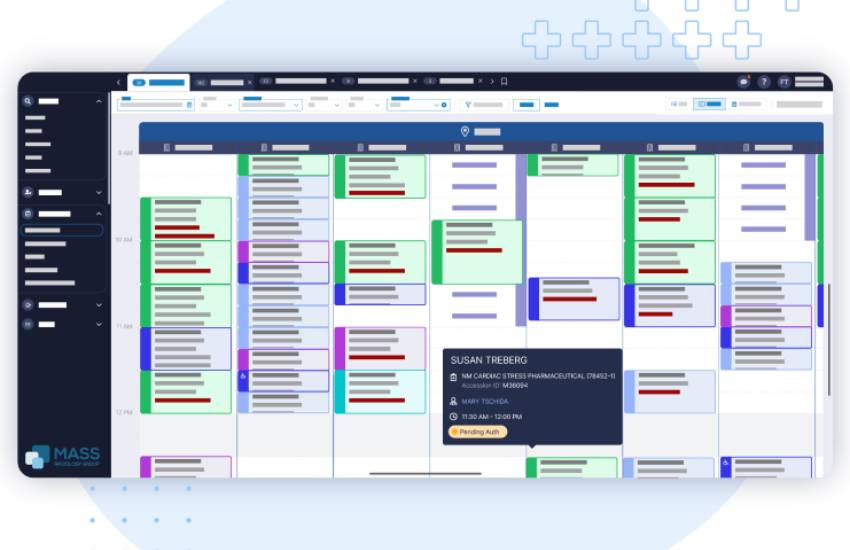
A Radiology Information System is a software platform designed to facilitate the management, tracking, and storage of radiological data within medical imaging practices and healthcare facilities. It serves as a comprehensive database for all radiology-related information, including patient demographics, appointment scheduling, imaging orders, exam results, and radiology reports. RIS helps to improve workflow efficiency by automating manual processes and providing a centralized platform for radiologists, technicians, and administrative staff to access and update patient data seamlessly. Integration with other healthcare information systems, such as Picture Archiving and Communication Systems (PACS), Electronic Health Records (EHR), and Hospital Information Systems (HIS), enhances the overall efficiency and effectiveness of radiology departments.

How Can A Radiology Information System Benefit Your Practice?
The implementation of a Radiology Information System can offer numerous benefits to medical practices and healthcare facilities. Firstly, a RIS streamlines the scheduling and tracking of radiology exams and procedures, reducing waiting times and optimizing resource utilization. It enables better patient management and coordination, ensuring that the right patient receives the right exam at the right time. A RIS also helps to improve data accuracy and reduce manual errors, leading to enhanced patient safety and outcomes. By automating administrative tasks, such as billing and coding, a RIS helps to optimize revenue cycle management and streamline the billing process. Moreover, RIS enables seamless communication and collaboration between radiologists, referring physicians, and other healthcare providers, enhancing the overall quality of patient care.
Why Is A Radiology Information System Necessary?
In today’s healthcare landscape, the efficient management of radiological data is paramount to providing timely and accurate patient care. A Radiology Information System is necessary to overcome the challenges associated with traditional paper-based record-keeping systems, which can be cumbersome, time-consuming, and error-prone. With the increasing volume and complexity of medical imaging studies, the need for an integrated and scalable solution for managing radiological data becomes indispensable. A RIS provides healthcare providers with real-time access to patient information, facilitating rapid decision-making and improved diagnostic accuracy. It also ensures regulatory compliance and data security, protecting sensitive patient information from unauthorized access and breaches.
Tips For Implementing A Radiology Information System
Implementing a Radiology Information System requires careful planning and execution to ensure a smooth and successful integration. Firstly, it is essential to assess the specific needs and requirements of the radiology department and the overall healthcare facility. Selecting a RIS vendor that offers a system tailored to meet these needs is critical for a successful implementation. Engaging all stakeholders, including radiologists, technicians, and administrative staff, in the decision-making process can help ensure buy-in and smooth adoption. Proper training and education for all users are essential to maximize the benefits of the RIS and minimize potential disruptions during the transition. Regular monitoring and evaluation of the RIS performance, as well as seeking feedback from users, are crucial for ongoing optimization and improvement.
Different Types Of Radiology Information Systems
Radiology Information Systems come in various configurations and functionalities to cater to the diverse needs of healthcare facilities. Some RIS solutions may be standalone systems that focus solely on radiology department management, while others may be integrated with other healthcare information systems to offer a comprehensive enterprise solution. Web-based RIS allows for remote access and seamless sharing of patient data among different healthcare providers, facilitating collaboration and care coordination. Some RIS may offer advanced features, such as voice recognition and artificial intelligence for automated reporting and decision support.
Benefits Of Utilizing A Radiology Information System
The benefits of utilizing a Radiology Information System are manifold and contribute to enhanced operational efficiency, improved patient care, and better outcomes. By centralizing patient information and streamlining workflow processes, RIS reduces administrative burdens and manual errors, leading to increased productivity and resource optimization. The automation of billing and coding processes improves revenue cycle management and reduces the risk of billing errors. Quick and easy access to patient data enables radiologists to make faster and more accurate diagnoses, leading to better patient outcomes. Moreover, RIS facilitates seamless communication and collaboration among healthcare providers, enhancing the overall quality of patient care and treatment planning.
Challenges Of Integrating A Radiology Information System
The integration of a Radiology Information System into an existing healthcare infrastructure may present some challenges that require careful consideration. Compatibility and interoperability with other healthcare information systems, such as PACS and EHR, are critical for a seamless exchange of data and information. Training and education of staff are essential to ensure that all users can effectively and efficiently navigate the RIS and utilize its functionalities to their fullest potential. Data migration from legacy systems to the new RIS may require careful planning and validation to avoid data loss or inaccuracies. Additionally, ensuring data security and compliance with healthcare regulations is of utmost importance when implementing a RIS.
Conclusion
A Radiology Information System plays a pivotal role in maximizing efficiency and productivity in modern healthcare practices. By centralizing radiological data, automating administrative tasks, and improving communication and collaboration among healthcare providers, a RIS streamlines workflow and enhances the quality of patient care. The necessity of a RIS arises from the increasing volume and complexity of medical imaging studies and the need for efficient data management and information exchange. Implementing a RIS requires careful planning, training, and stakeholder engagement to ensure a smooth and successful integration. The benefits of utilizing a RIS span from optimized resource utilization and revenue cycle management to improved diagnostic accuracy and patient outcomes. Although challenges may arise during integration, careful consideration of data security, interoperability, and user training can help healthcare facilities harness the full potential of a Radiology Information System.

Nicholas Jones is an author, speaker and business visionary. His work has been distributed in high-profile outlets like Forbes, Huffington Post, Fast Company, Huffington Post UK and then some. With a solid comprehension of business methodology, administration advancement and hierarchical change.