Optimizing Your Custom PC Builder For Maximum Performance
July 17, 2023When it comes to building your own custom PC, there are a lot of considerations to keep in mind. Not only do you need to consider what components you want to use for your build, but you also must take into account things like budget, case size, cooling, and other factors. It can be overwhelming when weighing all your options, but with some knowledge and proper planning, optimizing your custom PC builder for maximum performance is totally achievable. In this post, we will take a look at the different steps undertaken in the PC building process, how to pick out components, and more, so you can ensure maximum performance.
What To Consider When Building Your Own PC?
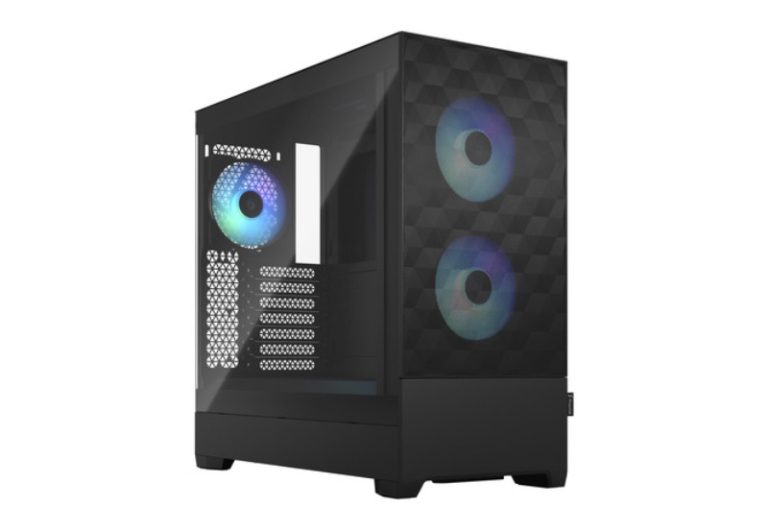
Before getting started, there are some considerations that should be made. First, it’s important to decide on your budget. This will play a major role in determining what type of parts your finished product will be comprised of. Another important factor to consider when owning PC builder Canada is case size, as this will impact the number of components that fit and the type of cooling options available. Additionally, the type of processor, power supply, graphics card, storage, and RAM should all be taken into account as well.
Why Building Your Own PC Is A Smart Choice?
For many people, building their own PC is a much more affordable route compared to buying a pre-built system. When building a PC yourself, you can be sure that you’re getting exactly the right components for your needs, all picked out for the best prices. You also can customize your system to precisely what you need, and there’s a sense of accomplishment that comes with knowing you built it yourself.
How To PC Builder Step-By-Step?
Building a PC is a great way to get the perfect computer for your needs, so let’s take a look at how you can do it yourself in six easy steps.
- Step 1: Gather your parts. Before you can start the PC building process, you’ll need to collect all the components you require. This includes a case, motherboard, CPU, RAM, hard drive, power supply, and cooling fans. Pick out extra components, such as a video card or sound card, if you need them.
- Step 2: Insert the CPU into the motherboard. Fit the CPU into the special socket on the motherboard and attach the heatsink to the CPU.
- Step 3: Install the RAM. Slot the RAM into the slots on the motherboard and make sure it’s firmly in place.
- Step 4: Attach the hard drive. Plug your hard drive into the designated port on the motherboard and secure it to the case, using the screws provided.
- Step 5: Install the power supply. Slide the power supply into the designated slot in the case and connect the power cables to the motherboard.
- Step 6: Put it all together. Connect all the components with any necessary wires or cables. Then close the case and turn on your new computer. You’re ready to go.
Tips To Make Your PC Builder Experience Easier
Creating a PC from the ground up can be quite a challenge, but there are a few tips to make the process a bit easier. First, make sure you have all the necessary tools before getting started. Next, watch out for static electricity, as it can damage components, so be sure to ground yourself and use an antistatic mat. Additionally, create an organized system when putting together the case parts, as it will save you time and energy. Lastly, make sure your cooling solution is up to par.
Types Of Components You Need To PC Builder
When building a PC, there are a few components you’ll need such as a CPU, motherboard, RAM, graphics card, storage, power supply, and case. In order to build a powerful PC, you’ll need to pick out the right components that are compatible with each other. Additionally, if you’re looking to increase performance, you may want to look at components such as SSDs, liquid cooling, and faster processors.
Essential Building Tools For A DIY PC
Having the right tools for building a DIY PC is essential. A good tool kit should include various screwdrivers to install components, a set of pliers for arranging and manipulating cables, a flathead screwdriver to access difficult parts, and a pair of tweezers to handle small connectors and components. A Dremel tool is also necessary for trimming off excess cables and material. Lastly, a variety of extra screws and nuts are essential for keeping your components secured in the case. With these tools, you have what you need to assemble a working PC.
Conclusion
Building a PC from scratch can be a rewarding experience, but it is important to consider certain factors such as your budget, what components are necessary, and the tools you will need. Knowing what to look for and how to put together a PC can go a long way in optimizing your custom PC builder for maximum performance. With the right knowledge and planning, you can create a powerful system for much less than buying a pre-built one.

Nicholas Jones is an author, speaker and business visionary. His work has been distributed in high-profile outlets like Forbes, Huffington Post, Fast Company, Huffington Post UK and then some. With a solid comprehension of business methodology, administration advancement and hierarchical change.